
 0
0
 0
0
www.tnsmi-cmag.com – A looming fuel price hike is poised to ripple through supermarket shelves as petrol prices in Victoria climb towards $2 a litre and temporary government tax relief expires, raising alarms over fresh food affordability and more frequent “weird things out of stock” notices in stores.
Fuel Price Hike: Why Petrol Near $2 a Litre Matters for Your Basket
When fuel prices spike, households feel the impact first at the pump. But the more damaging effect often appears weeks later on grocery receipts. Petrol hovering around $2 a litre does not simply increase commuting costs; it quietly inflates the embedded transport cost in almost every item you place in your shopping cart. From milk and bread to imported pantry goods, modern supply chains depend heavily on road freight and, in some cases, air and sea freight that are tightly linked to global fuel benchmarks.
In the current environment, the phase-out of government fuel tax relief is acting as an accelerant. A temporary cushion that shielded motorists and transport operators from the full brunt of global oil volatility is being removed, exposing consumers to the true cost of energy. This policy shift, combined with higher global crude prices, is what pushes petrol prices toward psychologically powerful thresholds such as $2 a litre.
Contrary to popular belief, supermarkets do not absorb these cost increases indefinitely. Margins in food retail are relatively thin, and freight is one of the largest variable expenses. As a result, a sustained fuel price hike feeds into higher shelf prices, reduced discounting, and occasionally, empty spots where “weird things” are suddenly out of stock.
How a Fuel Price Hike Flows Through the Food Supply Chain
To understand why a fuel price hike hits grocery items so hard, readers need to follow the journey from farm to fork. Modern food logistics typically involve several fuel-dependent stages:
- Farm operations – Diesel powers tractors, harvesters, irrigation pumps, and on‑farm transport.
- Primary transport – Raw produce moves from farms to storage, processing plants, or ports, largely by truck.
- Processing and packaging – Energy costs, often linked directly or indirectly to fuel prices, affect factories and cold storage.
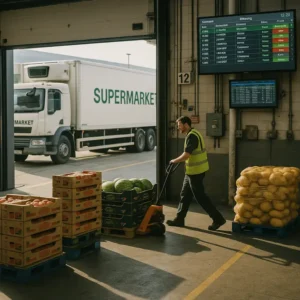
- Distribution – Finished goods travel via trucking fleets to regional warehouses and finally to retail outlets.
- Last‑mile delivery – Home delivery services and rapid online grocery orders add another fuel-intensive step.
Every stage magnifies the cost of fuel. When diesel prices rise, transport companies face higher operating costs. Some carriers operate with fuel surcharges that move in line with fuel benchmarks; others renegotiate contracts as sustained increases make old rates uneconomic. Either way, retailers eventually face a choice: accept smaller margins or raise prices.
According to historic analyses by agencies such as the International Energy Agency, energy shocks frequently spill into the price of essential goods. In food, where price elasticity is low – families cannot simply stop buying staples – even modest increases stick quickly. Once passed on, retailers are often slow to reverse those increases, even if fuel prices later retreat.
Fuel Price Hike and the “Weird Things Out of Stock” Phenomenon
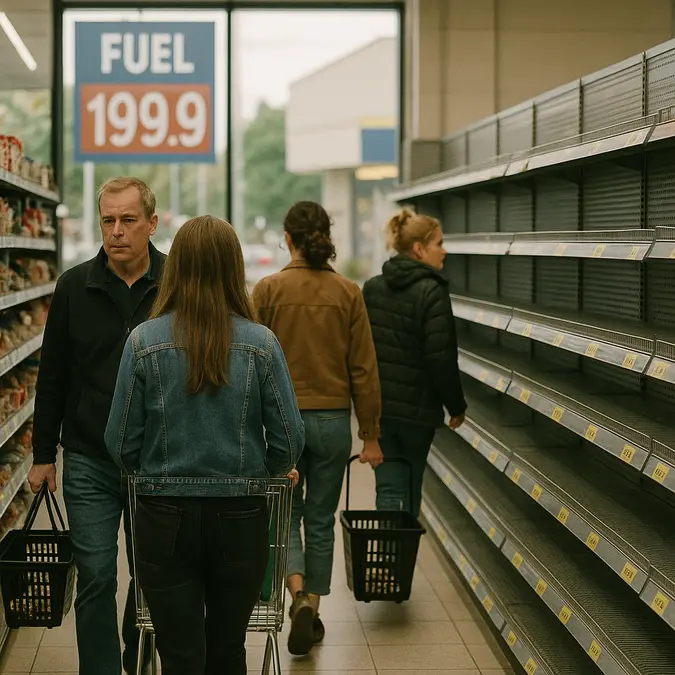
Shoppers in Victoria and across Australia have recently reported patches of shelves displaying unexpected gaps: niche breakfast cereals one week, specific frozen vegetables the next, or pet food varieties that vanish without notice. While some of this can be traced to global supply chain disruptions, a fuel price hike adds a new layer of complexity.
Transport operators and suppliers confronted with surging costs may rationalize their runs. They might consolidate deliveries, deprioritize low‑volume items, or delay shipments until trucks can run at full capacity. This optimization makes economic sense for logistics companies, but it translates into sporadic stock outages for consumers.
Furthermore, products with delicate cold‑chain requirements – think fresh berries, specialty dairy products, or some pharmaceuticals – become disproportionately expensive to move in a high‑fuel environment. Retailers might choose to limit orders of slow‑moving items in these categories, creating those puzzling gaps where a familiar item is “temporarily unavailable.”
For manufacturers, high and volatile fuel prices create uncertainty around planning and inventory. Some may cut production of marginal product lines, focusing on core items that move fastest. The outcome is a less diverse shelf offering and a higher likelihood that certain “weird” or niche lines will disappear first when cost pressures bite.
Seven Critical Ways the Fuel Price Hike Hits Grocery Costs
The link between a fuel price hike and grocery bills is multi‑layered. Below, we identify seven of the most important channels through which petrol near $2 a litre will push supermarket prices higher.
1. Direct Transport Cost Increases
Heavy vehicles that move food across Australia depend on diesel. When fuel prices jump, linehaul and local distribution immediately become more expensive. Transport companies introduce or raise fuel surcharges, and those costs gradually flow through to wholesalers and retailers, then to end consumers. On long routes – for example, produce trucked from regional Victoria or interstate to metropolitan hubs – the fuel component of cost becomes especially pronounced.
2. Higher Input Costs for Farmers and Producers
Farmers are highly exposed to energy costs. Diesel fuels tractors and harvesters; it also powers backup generators and irrigation systems on many properties. Fertilizers and other agrochemicals, often linked to natural gas and oil markets, can climb in price alongside fuel. As operating expenses rise, farmers must either accept lower margins or push for higher farmgate prices. Over time, these higher input costs embed themselves in wholesale and retail food prices.
3. Increased Cold Chain and Refrigeration Expenses
Many grocery products – particularly meat, dairy, and frozen foods – rely on refrigerated transport and storage. Refrigerated trucks consume more fuel per kilometre than non‑refrigerated vehicles. In a period of sustained fuel price hike pressure, logistics providers may raise prices for temperature‑controlled loads at a faster rate. Retailers then face higher landed costs on protein, dairy, and frozen categories that are already among the most expensive items in a household budget.
4. Price Re‑Setting and Reduced Promotional Activity
Supermarkets regularly adjust prices to balance competition, supplier costs, and consumer demand. When fuel costs rise sharply, retailers use several tools:
- They reset base prices upward on key items once contracts are renegotiated.
- They shorten or scale back aggressive promotions and multi‑buy deals.
- They steer shoppers toward private‑label alternatives with more pricing flexibility.
The net effect for shoppers is fewer bargains, smaller discounts, and a higher average basket value, even if headline prices on a limited number of essential goods are temporarily held down for competitive reasons.
5. Shrinkflation: Less for the Same Price
Another subtle response to a fuel price hike is shrinkflation – reducing product size while maintaining the sticker price. When every cost in the chain is climbing, manufacturers may opt to slightly decrease package weights or serving counts. Consumers often do not notice immediately because the price tag itself appears unchanged. Over time, however, the unit cost per gram, litre, or serving rises, effectively eroding purchasing power.
6. Pressure on Small and Independent Retailers
Large supermarket chains often have better leverage to negotiate freight rates, absorb short‑term cost spikes, or hedge fuel exposure. Smaller independent grocers, regional supermarkets, and specialty food retailers lack similar scale. For them, a sustained fuel price hike can be existential. They may be forced to raise prices faster or reduce product variety simply to survive.
This uneven impact can gradually reshape local retail landscapes, particularly in rural or outer‑suburban communities where smaller players serve as vital food access points. If independents falter, consumers may face fewer options and higher prices due to reduced competition.
7. Compounding Effect on Inflation and Household Budgets
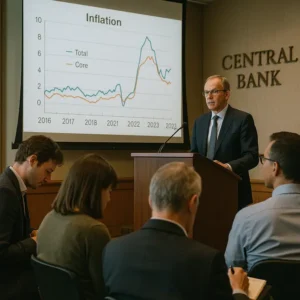
Fuel is a critical component of consumer price indices globally. A climb in fuel prices often acts as a catalyst for broader inflation, prompting central banks to consider tighter monetary policy. When food price inflation joins fuel inflation, households experience a double shock: more expensive travel and more expensive groceries at the same time.
According to long‑term inflation data tracked by sources such as the U.S. Bureau of Labor Statistics and similar agencies in other countries, energy and food often move together during periods of economic stress. In such cycles, wage growth may lag, adding real pressure on families, particularly those on fixed or lower incomes.
What Consumers Can Do as the Fuel Price Hike Bites
While individuals cannot control global oil markets or tax policy, they can take targeted steps to blunt the impact of a fuel price hike on grocery spending. These strategies prioritize realistic, data‑driven approaches rather than simplistic budget platitudes.
Plan Fewer, Larger Shopping Trips
Reducing the number of car journeys to supermarkets can offset some fuel cost pressure. Consumers who consolidate multiple small trips into one planned weekly shop can save significantly over time. Combining errands – fuel, pharmacy, and groceries – into a single route also reduces exposure to high pump prices.
Leverage Digital Tools and Price Transparency
Fuel price comparison apps and supermarket price trackers give readers real‑time visibility into where they can minimize costs. By aligning fuel top‑ups with days or locations that offer discounts, and by comparing supermarket prices online before visiting, households can preserve some control. Digital receipts and spending dashboards offered by major banks or fintechs can help families accurately track where grocery budgets are expanding.
Be Flexible on Brands and Product Types
As freight costs climb, imported brands and niche lines may become noticeably pricier than domestic or private‑label alternatives. Shoppers willing to switch to local or store brands often find comparable quality with a lower price point. Flexibility around cuts of meat, seasonal produce, and formats (fresh versus frozen, for example) can also yield savings while maintaining nutritional value.
Understand Seasonal and Local Advantages
Buying in season reduces the distance between farm and plate. Shorter transport routes typically mean lower freight cost per item, which can partially offset the broader fuel price hike. Supporting local producers, farmers’ markets, and community‑supported agriculture schemes can shorten supply chains and offer more stable pricing on fresh goods.
How Policymakers and Industry Might Respond to a Fuel Price Hike
Government and industry responses will shape how painful the current fuel price hike becomes for ordinary households. As tax relief ends and petrol prices trend upward, public debate will inevitably intensify around cost‑of‑living relief and structural reforms.
Policymakers may revisit targeted fuel excise measures for commercial freight operators or low‑income households, though such interventions must balance budget integrity and climate commitments. Investments in rail freight, port logistics, and alternative fuels could, over the medium term, reduce the economy’s sensitivity to oil shocks.
Industry, for its part, is likely to accelerate efficiency drives. This could include route optimization using advanced telematics, increased use of intermodal freight, and investment in electric or low‑emission trucks as technology matures. Retailers might also expand local sourcing programs to reduce the distance goods travel from producer to store.
Readers interested in the broader strategic and economic implications can explore deeper sector insights on Economy and energy transition perspectives via Energy analysis across our platform.
Rising fuel costs are not just a transport story; they are a food security story. In an era of overlapping shocks – from pandemics to climate‑related disruptions – energy volatility adds a critical layer of risk to everyday essentials.
Looking Ahead: Fuel Price Hike, Grocery Resilience, and Consumer Confidence
As petrol prices in Victoria edge toward $2 a litre and government tax relief is withdrawn, the next few months will test the resilience of food supply chains and the adaptability of households. While supermarkets and logistics operators have become more sophisticated since earlier waves of supply disruptions, there is no escaping the fundamental math: when moving goods becomes more expensive, someone pays.
For many families, that will mean tighter household budgets, more deliberate shopping, and an acute awareness of price changes on staple items. Shoppers should expect to see subtle shifts: slightly smaller packages, fewer deep discounts on pantry essentials, and sporadic gaps where favourite or niche products once sat.
At the same time, the current fuel price hike may act as a catalyst for overdue reform. From accelerating investment in low‑emission freight to encouraging more regionally self‑sufficient food systems, the pressure created by expensive fuel could spur innovations that ultimately make grocery supply chains more robust and less carbon‑intensive.
What is clear is that the fuel price hike is not a passing inconvenience but a structural challenge that will influence how we move, trade, and feed our communities. By understanding the mechanisms at work, readers can make more informed choices – and policymakers and industry leaders can design smarter, longer‑term responses that protect both household budgets and the broader economy.