
 0
0
 0
0
www.tnsmi-cmag.com – Inflation numbers are once again at the center of the economic conversation, with fresh data widely expected to bring at least short-term relief for mortgage holders even as economists warn that key inflationary risks still loom in the background.
Central banks, including the Reserve Bank of Australia (RBA), are now walking a tightrope: they must respond to moderating price pressures without prematurely declaring victory over inflation. For households carrying large mortgages, the stakes could not be higher. Every move in the cash rate feeds directly into monthly repayments, confidence, and the broader housing market.
Inflation Numbers and the New Interest Rate Reality
The latest inflation numbers suggest that the worst of the price surge may be easing. That is why many analysts expect the RBA to keep interest rates on hold in the near term. Yet, this pause should not be mistaken for a return to the ultra-cheap money era that fueled rapid house price growth around the world.
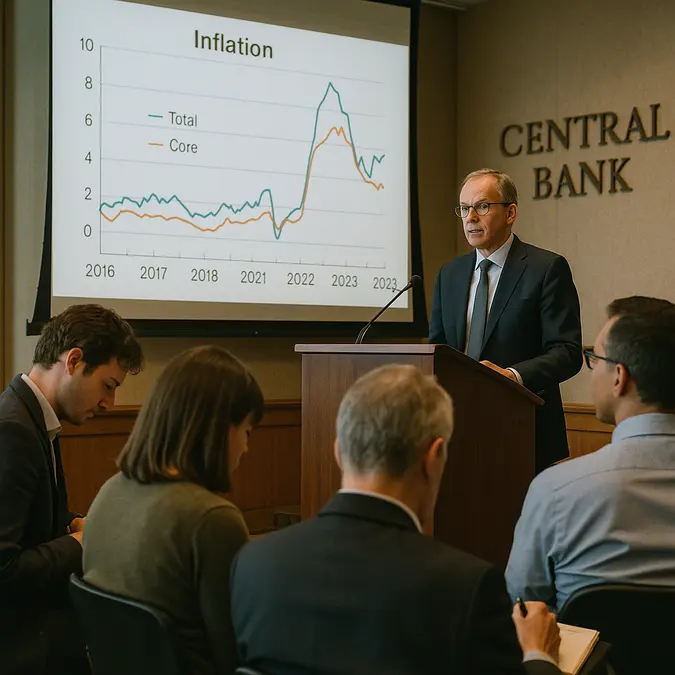
To understand what is happening, it helps to revisit how central banks interpret inflation data. Headline inflation captures the overall change in prices paid by consumers, while core inflation strips out volatile items such as fuel and food. In recent months, headline inflation has softened in many advanced economies, including Australia, the United States, and the euro area, as global supply chains normalise and energy costs retreat. However, core inflation remains sticky, driven by services, rents, and wage growth in tight labour markets.
This divergence is critical. While households feel some relief at the petrol pump or supermarket, central banks look beyond short-lived price swings. If core inflation does not convincingly move back toward their 2–3% targets, they are unlikely to cut rates aggressively. For mortgage holders, that means interest rates may plateau at higher-than-expected levels for longer than previously anticipated.
Readers seeking more context on how these dynamics shape markets can explore related coverage on Economy trends and policy debates that influence everyday financial decisions.
Why Inflation Numbers Matter So Much For Mortgage Holders
For borrowers, the importance of inflation numbers cannot be overstated. Central banks base most of their decisions on a simple mandate: keep inflation under control while supporting sustainable economic growth. The official cash rate is their main tool. When inflation climbs above target, they raise rates to cool demand. When inflation falls and growth weakens, they cut rates to stimulate activity.
The direct transmission to household finances happens via mortgage pricing:
- Variable-rate loans typically move quickly with the central bank cash rate. A pause in rate hikes often halts the steady rise in monthly repayments.
- Fixed-rate loans are influenced by expectations of future inflation and interest rates, which show up in bond yields and swap markets.
- Refinancing options depend on where banks expect the cycle to go next; benign inflation readings can improve competition for good-quality borrowers.
When the data suggests inflation is slowing, markets begin to price in fewer future rate hikes—or even cuts. That shift instantly affects the cost of funding for banks and their appetite to offer more competitive products. In other words, better inflation readings do not just make headlines; they change the arithmetic of mortgage affordability.
Inflation Numbers and the Central Bank Playbook
To see how inflation numbers feed into official decisions, consider the RBA and its counterparts such as the U.S. Federal Reserve and the European Central Bank. Each meeting, policymakers weigh several core questions:
- Is inflation meaningfully moving back toward the target band?
- Are inflation expectations among households and businesses still anchored?
- Is wage growth consistent with stable prices, or is it accelerating unsustainably?
- Is economic growth slowing enough to reduce inflation pressures without triggering a severe downturn?
If the latest prints show inflation easing but not yet comfortably within target, central banks often choose to hold rates steady. They allow time for the cumulative impact of previous hikes to work through the economy. This is the scenario many economists now anticipate: a cautious pause, backed by an explicit warning that higher rates could return if inflation fails to moderate further.
For a rigorous background on how inflation is calculated overall, readers may consult the Inflation entry on Wikipedia, and for monetary policy frameworks across countries, the Bank for International Settlements provides extensive research and comparative data.
Where Relief Is Emerging—and Where Risks Remain
The good news is that the latest inflation numbers are finally aligned with what ministers of finance and central banks have been hoping to see: evidence that the sharp rate hikes of the past two years are tempering demand. Consumers are cutting back on discretionary purchases, businesses are slowing price increases, and housing markets are cooling.
However, the relief is uneven. Several persistent risks warrant caution:
- Services inflation: Prices for health care, education, insurance, and hospitality often rise more slowly than goods prices—but are also slower to fall.
- Rents and housing costs: Tight rental markets and undersupply in key regions are keeping shelter costs elevated, blunting any benefit from lower goods inflation.
- Wage pressures: With unemployment still relatively low in many economies, workers have more bargaining power. Reasonable wage growth is healthy, but if it outpaces productivity, it can embed higher inflation.
- Geopolitical shocks: Conflicts, trade disputes, or supply disruptions—especially in energy and food—can reignite inflation even after a period of calm.
In Australia specifically, and in similar advanced economies, these factors explain why central banks remain wary. They recognise that households with mortgages are under pressure from higher repayments and rising living costs, but they also know that cutting rates too early could undo the hard-won gains against inflation.
What Today’s Inflation Numbers Mean for Mortgage Strategy
How should mortgage holders respond to the latest inflation numbers? While every situation is different, several strategic themes stand out for both existing and prospective borrowers.
1. Use the Pause to Rebuild Financial Buffers
A likely hold in the cash rate provides a rare moment of stability after a rapid tightening cycle. Households that have absorbed multiple repayment increases can use this window to rebuild buffers:
- Channel any spare cash into offset accounts or redraw facilities.
- Review discretionary spending and prioritise paying down high-interest consumer debt first.
- Consider maintaining repayments at the previous higher level if your lender cuts rates marginally; this accelerates principal reduction.
These steps do not simply offer peace of mind. They act as insurance against the risk that inflation surprises on the upside and forces central banks to resume tightening.
2. Reassess Fixed vs Variable in Light of Inflation Numbers
Many borrowers are now reconsidering whether to lock in rates. Moderating inflation numbers could signal that peak rates are near, but the path down is uncertain. Some may choose a split-loan approach, fixing a portion for certainty while keeping the rest variable to benefit if rates fall.
Key questions to discuss with lenders or advisers include:
- What is the break cost if you want flexibility later?
- How do fixed offers compare with the market’s expectations for rates over the next two to three years?
- What level of repayment volatility can your household realistically tolerate?
3. Stress-Test Your Budget Against Future Shocks
Even if the latest inflation numbers look comforting, prudent borrowers should assume that economic conditions can change unexpectedly. A practical rule is to model your budget against interest rates at least one percentage point higher than today’s level, and to estimate how job loss or reduced hours would affect your ability to meet repayments.
Simple stress-testing helps you decide:
- Whether to accelerate repayments now while you can.
- How large an emergency fund you need.
- Whether your current property and loan size are sustainable for your income trajectory.
Readers interested in broader financial resilience strategies, beyond mortgage management, may find valuable insights in our coverage of Finance and personal balance-sheet planning.
The Bigger Picture: Housing Markets, Sentiment, and Policy
While individual borrowers rightly focus on their own repayments, policymakers and analysts examine how inflation numbers ripple across the entire housing ecosystem. When inflation falls back toward target and rate hikes pause, buyer sentiment often steadies. Investors may re-enter the market cautiously, and first-home buyers can plan with slightly more confidence.
Yet, there is a paradox. If inflation falls “for the right reasons”—because supply constraints ease and productivity improves—housing markets can stabilise without renewed overheating. If inflation falls mainly because demand collapses under the weight of higher rates, economies risk sliding toward recession, which can bring job losses and distress sales. Both scenarios can occur in different segments at once, making headline housing statistics more complex to interpret.
Stable, low, and predictable inflation remains the best environment for both homeowners and would-be buyers. Volatile inflation numbers erode confidence, distort price signals, and complicate long-term planning.
This is why central banks consistently emphasise their inflation-fighting credentials. They understand that credibility anchors expectations. If households and businesses believe inflation will stay under control over the medium term, they will set wages, rents, and prices more conservatively, reducing the need for extreme rate moves.
What to Watch in the Next Round of Inflation Data
Looking ahead, several indicators within the inflation numbers will guide the outlook for interest rates and mortgage relief:
- Core services inflation: Is it finally trending down, or still resisting the broader disinflation story?
- Rental inflation: Are supply-side policies, new construction, or migration shifts easing pressures, or is the squeeze worsening?
- Wage and productivity data: Are real wages stabilising without sparking a wage-price spiral?
- Inflation expectations surveys: Do households and businesses still trust central banks to keep inflation under control?
If future releases show sustained improvement across these components, the case for keeping rates on hold strengthens, and the conversation may slowly shift toward the timing and pace of eventual cuts. But if any of these metrics move in the wrong direction, markets will quickly reprice the path of policy, and mortgage holders could again face the prospect of higher repayments.
Conclusion: Inflation Numbers and the Road Ahead for Borrowers
The latest inflation numbers offer a measure of relief for mortgage holders who have endured a sharp tightening cycle and a relentless squeeze on household budgets. A widely expected pause in interest rate hikes signals that central banks recognise both the progress made against inflation and the financial stress felt across the housing market.
However, relief should not be mistaken for resolution. Core inflation remains uncomfortably high in many economies, structural pressures in housing and services persist, and geopolitical risks can still disrupt global supply chains and commodity markets. For borrowers, the most prudent path combines cautious optimism with disciplined risk management: rebuild buffers, reassess loan structures, and stress-test budgets against less favourable scenarios.
As new data emerges, we will continue to analyse the evolving inflation numbers, their impact on central bank decisions, and what they mean for households navigating one of the most challenging mortgage environments in recent memory.