
 0
0
 0
0
www.tnsmi-cmag.com – Sensei Lānaʻi, A Four Seasons Resort, has appointed Leonard “Leo” Gensolin as its new Executive Chef, a pivotal move that will shape the future of its acclaimed culinary program, including the signature Sensei by Nobu restaurant, Koele Garden Bar, and elevated in-room dining experiences.
Sensei Lānaʻi and the Strategic Impact of a New Executive Chef
Nestled on the secluded island of Lānaʻi in Hawaiʻi, Sensei Lānaʻi has rapidly earned a reputation as one of the world’s most distinctive wellness destinations. Operated by Four Seasons, the resort blends science-based well-being philosophies with luxury hospitality. The appointment of Leonard “Leo” Gensolin as Executive Chef is more than a personnel update; it is a strategic culinary statement that will influence guest experience, brand positioning, and the property’s global competitiveness.
In high-end hospitality, the Executive Chef role functions as both creative visionary and operational architect. At Sensei Lānaʻi, this position carries additional weight because food is not simply an amenity; it is a core pillar of the resort’s wellness narrative. Gensolin will oversee all culinary operations, including:
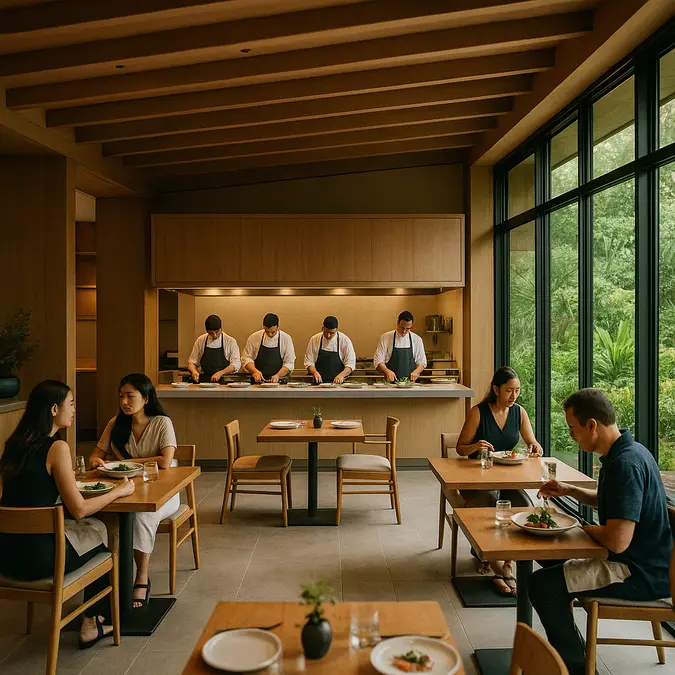
- Sensei by Nobu – the flagship restaurant created in collaboration with world-renowned chef Nobu Matsuhisa.
- Koele Garden Bar – a more relaxed yet curated outlet reflecting the garden setting and local ingredients.
- In-room dining – a critical touchpoint for guests on personalized wellness journeys and extended stays.
This appointment aligns with a broader industry trend: luxury resorts increasingly compete on culinary excellence and nutrition-forward concepts as travelers seek meaningful, health-conscious experiences rather than simple indulgence. For readers tracking global hospitality and gastronomy, Sensei Lānaʻi has just made an important move in that race.
Sensei Lānaʻi as a Wellness-Driven Luxury Benchmark
To understand why this leadership change matters, we first need to look at what makes Sensei Lānaʻi different. Launched by Oracle co-founder Larry Ellison and Dr. David Agus, the Sensei brand focuses on evidence-based well-being, emphasizing three pillars: movement, nourishment, and rest. The resort integrates data-driven assessments, personalized itineraries, and curated experiences, supported by a team of guides, practitioners, and wellness experts.
Food plays a central role in this concept. Unlike conventional resort dining, where menus may prioritize volume and familiarity, Sensei Lānaʻi seeks to balance pleasure and performance: the joy of dining with the science of nutrition. This means ingredients, cooking methods, portioning, and menu composition are all intentionally designed to support health and longevity, while still delivering the emotional satisfaction associated with fine dining.
According to industry research from organizations such as the Global Wellness Institute, wellness tourism continues to outpace overall travel growth, with high-spend guests actively seeking destinations where food, spa, movement, and environment are holistically aligned. Sensei Lānaʻi sits squarely within this high-value market segment, and the Executive Chef is the person who turns that promise into a tangible plate-by-plate reality.
Sensei Lānaʻi and the Legacy of Sensei by Nobu
One of the most compelling aspects of this appointment is the direct connection to Sensei by Nobu, the resort’s signature restaurant collaboration with Chef Nobu Matsuhisa. Nobu’s global brand is synonymous with Japanese-Peruvian fusion, precision, and consistency, with restaurants in luxury hubs from New York to London to Tokyo. For context, readers can explore Nobu’s worldwide impact in culinary culture via resources like Nobu Matsuhisa’s profile on Wikipedia.
At Sensei Lānaʻi, the Nobu concept is adapted to a wellness-first audience. Dishes typically showcase seasonal produce, clean proteins, and flavor-forward preparations that avoid unnecessary heaviness. This requires an Executive Chef who is comfortable operating at the intersection of:
- Fine dining technique and consistency across services.
- Nutritional integrity and wellness science.
- Local sourcing on a relatively small Hawaiian island with logistical constraints.
- Brand alignment with both Four Seasons and the Sensei philosophy.
Leonard “Leo” Gensolin now holds the responsibility of protecting this delicate balance while continuing to innovate. His leadership will influence menu development, sourcing partnerships, culinary staffing, and kitchen culture, as well as how the restaurant continues to express the Nobu DNA in a distinctly Lānaʻi and wellness-focused context.
Sensei Lānaʻi and Leo Gensolin’s Expanded Culinary Mandate
While Sensei by Nobu may be the marquee name, the scope of Gensolin’s role extends across every plate that leaves a kitchen on property. At Sensei Lānaʻi, that means supervising:
- Breakfast and lunch services tailored to guests with varying activity levels and program intensities.
- Koele Garden Bar menus that must remain casual yet aligned with the wellness ethos.
- Private events, retreats, and group programs where thematic menus and dietary customization are expected.
- In-room dining that serves as an extension of the wellness experience for guests who may be reflecting, resting, or working remotely from their suite.
In high-touch environments like Sensei Lānaʻi, in-room dining often functions as a silent brand ambassador. A thoughtfully designed tray that meets a guest’s dietary preferences and visual expectations can reinforce the resort’s promise of personalization and care. If executed poorly, it becomes a weak link that undermines the narrative crafted in public spaces and signature venues.
From an operational perspective, coordinating all of these outlets requires fluency in culinary management, cost control, supply chain resilience, and talent development. The Executive Chef must juggle creativity with consistency, innovation with sustainability, and premium quality with scalability—particularly during peak seasons and special events.
Sensei Lānaʻi in the Context of Hawaiʻi’s Evolving Culinary Landscape
The appointment of a new Executive Chef at Sensei Lānaʻi also needs to be read against the broader backdrop of Hawaiʻi’s culinary evolution. Over the past three decades, the islands have moved far beyond the stereotype of resort buffets and luaʻu-style spreads into a diverse, chef-driven scene that highlights regional Hawaiian cuisine, farm-to-table sourcing, and indigenous ingredients.
Resorts on Maui, Oʻahu, Kauaʻi, and the Island of Hawaiʻi increasingly compete not only on views and amenities, but on the distinctiveness of their restaurant programs. From beachfront fine dining to modern Hawaiian tasting menus, chefs are embracing local farmers, fishermen, and ranchers, and placing cultural respect at the center of their menus. Sensei Lānaʻi, situated on a quieter island with a limited agricultural base, faces a unique challenge: how to integrate local sourcing and cultural authenticity within the constraints of logistics and scale.
For Leo Gensolin, that means making intentional decisions about:
- Which ingredients are sourced from Lānaʻi, neighboring islands, or imported.
- How local flavors and traditions are respectfully incorporated into globally influenced dishes.
- How to support sustainability goals, from food miles to waste reduction.
Readers interested in the intersection of tourism and sustainability can also explore our broader coverage on Travel, where similar themes emerge across global destinations.
Sensei Lānaʻi and the Economics of Culinary Leadership
Culinary leadership at a destination like Sensei Lānaʻi has direct revenue implications. Signature restaurants anchor room bookings, drive local and international media coverage, and generate high-margin ancillary spend. In the ultra-luxury segment, guests increasingly choose where to stay based on the perceived quality and uniqueness of the food program.
By appointing a seasoned Executive Chef to oversee a multi-outlet culinary ecosystem, the resort is signaling a commitment to sustain and potentially elevate its position in rankings, reviews, and word-of-mouth among discerning travelers. Well-executed menus can also support lengthier stays, as guests feel less pressure to leave the property in search of variety or quality.
From a brand-building perspective, Sensei Lānaʻi benefits when its culinary identity becomes shareable content. Guests post images of artfully plated dishes, wellness-focused tasting menus, and serene garden bar settings, effectively amplifying the property’s value proposition across social media and travel platforms. The Executive Chef, whether in front of the camera or behind the scenes, shapes what those shareable moments look like.
Sensei Lānaʻi: 7 Essential Insights for Industry Watchers
To synthesize the implications of this leadership change, here are seven essential insights about what the appointment of Leonard “Leo” Gensolin as Executive Chef means for Sensei Lānaʻi and the broader hospitality landscape:
- Culinary as Core Strategy: At Sensei Lānaʻi, food is central to the wellness promise, not a peripheral amenity. The Executive Chef is a strategic figure, not just a back-of-house leader.
- Integration with Wellness Science: Gensolin’s menus must align with data-driven, health-focused programming, where nourishment supports movement, recovery, and mental clarity.
- Stewardship of the Nobu Brand: Managing Sensei by Nobu within the wellness framework requires culinary precision and brand sensitivity, as the restaurant must reflect both Nobu’s global standards and the local resort ethos.
- Multi-Outlet Complexity: Overseeing fine dining, casual bar menus, and in-room dining demands operational versatility, strong systems, and a clear culinary vision.
- Local and Global Balance: On an island like Lānaʻi, supply chains are complex. The Executive Chef must balance local sourcing and cultural authenticity with global influences and guest expectations.
- Revenue and Reputation Engine: A strong culinary program at Sensei Lānaʻi influences occupancy, nightly rates, and ancillary spend, while also driving press coverage and social media visibility.
- Talent Development and Culture: A new Executive Chef also shapes kitchen culture, mentoring rising chefs, and embedding standards that will define the property’s culinary identity for years.
Sensei Lānaʻi, Leadership, and the Future of Wellness Hospitality
The appointment of Leonard “Leo” Gensolin as Executive Chef at Sensei Lānaʻi arrives at a moment when wellness hospitality is rapidly maturing. Guests are no longer satisfied with generic “healthy options” or token plant-based dishes. They expect integrated, thoughtful cuisine that respects both pleasure and physiology, cultural context and global technique.
This is where Sensei Lānaʻi has an opportunity to lead. By uniting science-based well-being with the emotional resonance of exceptional dining, the resort can set new benchmarks for how culinary teams collaborate with wellness experts, data analysts, and guest experience designers. The Executive Chef role becomes a bridge between these worlds, transforming insights into menus, and philosophies into flavors.
For professionals monitoring luxury travel, food and beverage strategy, or wellness innovation, this leadership change is worth watching. It may influence not only how Sensei Lānaʻi evolves in the coming seasons, but also how competing resorts rethink their own culinary blueprints. As we continue to see crossovers between nutrition science, gastronomy, and experiential design, properties that treat the Executive Chef as a strategic partner rather than a purely operational manager will likely gain a competitive edge.
Readers seeking broader perspectives on hospitality, innovation, and brand strategy can explore related coverage under our Business section, where we analyze how executive appointments translate into measurable shifts in performance and guest perception.
Conclusion: Sensei Lānaʻi’s Culinary Future Under New Leadership
The elevation of Leonard “Leo” Gensolin to Executive Chef marks a significant chapter in the ongoing evolution of Sensei Lānaʻi. As he assumes responsibility for Sensei by Nobu, Koele Garden Bar, in-room dining, and the broader culinary team, his decisions will shape how guests taste, feel, and remember their time on Lānaʻi. In an era when wellness, luxury, and gastronomy are increasingly intertwined, Sensei Lānaʻi stands as a compelling case study in how a resort can leverage culinary leadership to deepen its brand promise and differentiate in a crowded global market.