
 0
0
 0
0
www.tnsmi-cmag.com – Lamb prices are surging across Australia as the traditional Easter peak in demand collides with a tighter-than-expected supply of sheep and lambs, pushing key market indicators sharply higher and forcing processors, retailers, and consumers to rethink their short-term strategies.
Lamb prices and the Easter squeeze: what is really happening?
The Easter period has long been a pivotal moment for red meat markets, but in 2024 the impact on lamb prices has been especially pronounced. Seasonal demand for lamb and mutton typically spikes in the weeks before Easter, driven by religious, cultural, and family meal traditions. This year, however, buyers have faced a perfect storm: lower throughput at saleyards, tighter store stock availability, and producers holding back stock in anticipation of better winter prices.
National market indicators, including Eastern States Trade Lamb indicators and processor grids, have jumped as processors compete for a smaller pool of finished lambs. According to open-source sector reporting and historic trends compiled by agencies such as Meat & Livestock Australia, these kinds of short, sharp spikes are not unprecedented — but the current movements are notable for both their speed and breadth across the states.
For readers in the livestock and agribusiness sectors, understanding the mechanics behind this sudden uplift in lamb prices is essential. It influences everything from on-farm selling decisions to retail pricing, export competitiveness, and long-term flock rebuilding strategies.
7 critical drivers pushing lamb prices higher
Behind the headlines of a national Easter supply squeeze lie several converging forces. Together, they explain why lamb prices have jumped, why some categories have moved more than others, and what might happen once the Easter rush passes.
1. Seasonal demand peaks for lamb around Easter
Firstly, Easter demand remains one of the most reliable seasonal catalysts for lamb prices. Across Australia and many export markets, lamb is a traditional centrepiece of Easter meals. Supermarkets, independent butchers, and foodservice buyers move to secure sufficient product weeks ahead of the holiday period, often ramping up orders for legs, shoulders, and premium roasting cuts.
On the domestic front, higher retail promotions and marketing campaigns increase volume, even among consumers who may normally choose beef or chicken. Internationally, key markets such as the Middle East and parts of Europe also see elevated Easter and Ramadan demand, supporting Australian export schedules. This predictable surge tightens spot availability and drives saleyard and over-the-hooks prices higher.
2. Tighter saleyard throughput and constrained supply
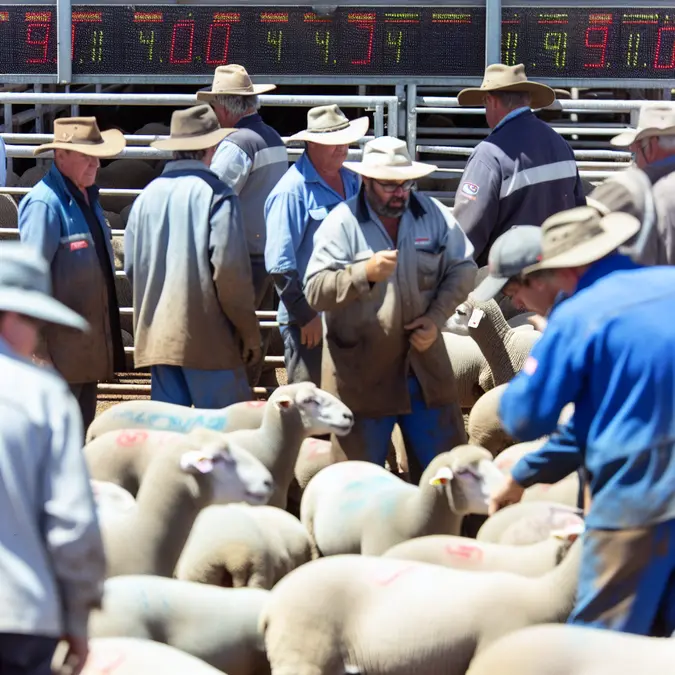
The more striking feature this season has been a notable reduction in saleyard numbers at a time when buyers usually expect strong flows. Processors, exporters, and restockers bidding against each other for limited pen numbers have all contributed to the upward pressure on lamb prices.
Several factors are constraining supply:
- Flock rebuilding intentions: After previous years of destocking in some regions due to drought, many producers are committed to rebuilding ewe numbers, holding onto breeding stock rather than offloading.
- Seasonal conditions: In areas enjoying improved pasture growth, producers are not under acute feed pressure, allowing them to delay sales in pursuit of heavier weights and better grids later in the year.
- Timing tactics: Experienced producers watch market reports closely and may choose to skip pre-Easter sales if they believe the post-holiday market will remain firm.
This combination of factors has translated into fewer offerings, amplifying the surge in lamb prices at a time of traditionally high demand.
3. Processor competition and plant scheduling
Meat processors operate under tight schedules, balancing chain speed, labour availability, export orders, and cold storage capacity. When the supply of suitable lambs drops, processors raise grid prices to secure enough volume to keep plants running efficiently. These higher grids then underpin higher saleyard bids.
Furthermore, Easter-related public holidays compress kill weeks, creating a rush to secure livestock before and after the break. If plants face the risk of underutilised capacity, they often respond by lifting offers for the right weights and grades, which flows directly into higher lamb prices visible in market reports.
4. Export demand and currency dynamics
Australian lamb occupies a strong position in global protein trade. Key markets include the Middle East, the United States, China, and parts of Asia and Europe. When export demand is solid, domestic price dips tend to be short-lived; when global buyers increase orders ahead of religious or seasonal events, it can accelerate domestic price rises.
The Australian dollar also plays a role. A relatively weaker currency makes Australian lamb more competitive on the world market, encouraging exporters to pay more at the farm gate. According to OECD meat market outlooks, shifts in currency and global demand often filter quickly into red meat price signals. During the current Easter period, positive export settings have helped validate the higher lamb prices being recorded in saleyards and on grids.
5. Consumer inflation and retail pricing strategies
Contrary to popular belief, rising lamb prices at the producer level do not always translate instantly into equally sharp retail price rises. Supermarkets and major retailers manage margins and consumer expectations carefully, especially in an environment of broader cost-of-living pressure.
Some retailers absorb part of the wholesale increase for a period, accepting lower margins on featured lines while using promotions to maintain foot traffic. Others adjust pack sizes, offer more trim or alternative cuts, or cross-subsidise specials with higher prices on non-promoted items. Independent butchers, with less ability to spread costs, may need to move retail prices more quickly.
For consumers, this creates a complex picture: they may see higher shelf prices or smaller roasts, even as promotional cycles continue. Over the medium term, if elevated lamb prices persist at the farm gate, retail lamb will almost inevitably reflect that reality.
6. Shifts in sheepmeat categories and carcase weights
Not all categories respond equally to the Easter squeeze. Trade lambs in the preferred weight ranges for supermarket and export programs typically show the sharpest gains, while very light store lambs or heavy mutton categories can move differently depending on specific buying interest.
In recent weeks, reports suggest stronger competition for well-finished trade lambs, with some heavier lambs also attracting solid premiums if they meet specification. As processors chase carcases that fit existing programs, they sometimes relax or tighten weight bands, which can either enhance or cap the gains individual producers see in their lamb prices.
Longer term, changes in average carcase weights — influenced by genetics, nutrition, and management — can shift the supply curve. Heavier lambs can mean fewer head required to meet tonnage commitments, which may temper price rises in future seasons. During short-term squeezes like Easter, however, specification-aligned lambs almost always command the strongest bidding.
7. Producer psychology and market expectations
Market psychology plays a subtle but powerful role in livestock pricing. When producers see reports of sharply higher lamb prices, some rush to sell and capture the spike, increasing supply. Others choose to hold off, betting that the rally will continue and deliver even higher returns.
This behaviour can create mini-cycles within the broader seasonal pattern. Sudden inflows after a price spike can cap or slightly reverse gains, while continued reluctance to sell can extend the rally. Professional market watchers, agents, and consultants stress the importance of weighing price trends against on-farm realities such as feed availability, animal welfare, and cash-flow needs.
Implications of rising lamb prices for the supply chain
The current Easter supply squeeze offers several important lessons for every part of the sheepmeat value chain. From producers and processors to retailers and policy-makers, the ripple effects of higher lamb prices are significant.
Lamb prices and producer decision-making
For producers, a short-lived rally can be both opportunity and trap. Selling into a price spike may lock in good margins, particularly for lambs already at or near target weights. However, holding lambs too long chasing an extra premium can lead to over-fat carcases, missed specification, or higher feed costs that erode profits.
Producers who plan their turnoff in line with realistic price bands, rather than chasing the absolute top, tend to manage risk more effectively. Many will work closely with their agents and processors to understand grid changes, forward pricing signals, and potential post-Easter corrections in lamb prices.
Processor margins, labour, and plant viability
Elevated livestock prices squeeze processor margins, especially if export or wholesale contracts were locked in months earlier at lower assumptions. This can make scheduling more complex. Some processors may reduce shifts, while others focus more heavily on higher-value export markets to maintain viability.
In the longer term, volatility in lamb prices can influence decisions on plant investment, automation, and labour hiring. Stable, predictable supply helps justify capital upgrades; erratic supply and price spikes increase business risk. Industry-wide coordination and transparent data help manage these challenges, which is why specialist media such as Agriculture and Economy coverage remains vital.
Retail, foodservice, and consumer behaviour
For retailers and foodservice operators, higher wholesale and carcase costs drive menu and category strategy. Some restaurant operators may shift menu placements, moving lamb from everyday offerings to occasional specials. Supermarkets can highlight alternative cuts — such as forequarter chops or slow-cook shoulders — that offer better value per serving than premium roasts even when lamb prices rise.
Consumers, already sensitive to broader inflation, may respond by buying smaller portions, switching proteins, or seeking out promotions. Yet surveys by organisations such as Meat & Livestock Australia indicate that many households still view lamb as a special-occasion meat, particularly at Easter. That perception supports demand even during price spikes.
Short-term outlook: will lamb prices hold after Easter?
Looking beyond the immediate holiday period, several scenarios could play out in the lamb market.
- Scenario 1: Gradual easing. As pent-up lambs come to market post-Easter and processors work through holiday backlogs, supply could lift modestly, easing the upward pressure on lamb prices. Prices might settle at levels still above pre-rally benchmarks but below the Easter peak.
- Scenario 2: Plateau at higher levels. If flock rebuilding and favourable seasonal conditions continue to constrain offerings, while export and domestic demand remain firm, prices could plateau at relatively high levels through winter.
- Scenario 3: Renewed volatility. Unexpected weather events, plant shutdowns, or global demand shocks could trigger another round of volatility, with lamb prices moving sharply in either direction.
Readers should monitor weekly saleyard reports, processor grids, and export statistics to gauge which scenario is unfolding. In all cases, risk management, cost control, and flexible marketing strategies will be central to maintaining profitability.
Strategic insights for stakeholders in the lamb value chain
To navigate periods like the current Easter supply squeeze effectively, stakeholders can adopt several practical approaches:
- Data-driven planning: Use multi-year price and supply data to forecast likely seasonal movements in lamb prices, rather than relying solely on anecdote or short-term sentiment.
- Diversified marketing channels: Producers who maintain relationships with multiple processors, saleyards, and direct buyers often have more flexibility to capitalise on spikes or manage downturns.
- Specification discipline: Meeting processor weight and fat specifications consistently maximises returns, especially when price grids widen between preferred and out-of-spec carcases.
- Cost-of-production focus: In any high-price environment, producers who know their true cost of production can evaluate whether current lamb prices genuinely deliver sustainable margins.
- Transparent communication: Processors and retailers that communicate clearly with suppliers and customers about price drivers can build trust and reduce friction during volatile periods.
The Easter supply squeeze is a reminder that while individual seasons differ, the fundamentals of supply, demand, and expectation continue to shape lamb prices more than any single event.
Conclusion: what rising lamb prices signal for the year ahead
The current Easter-driven surge in lamb prices is more than a short seasonal story; it is a window into the underlying health, structure, and resilience of Australia’s sheepmeat industry. Tighter supply, robust domestic and export demand, and a renewed focus on flock rebuilding have combined to push key indicators upward, rewarding some producers while testing the margins of processors and retailers.
As the holiday period passes and markets re-balance, it will be crucial for all participants to watch whether these elevated lamb prices fade, stabilise, or become the new normal. For readers of tnsmi-cmag.com engaged in agriculture, food, and economic analysis, the lessons are clear: volatility is here to stay, disciplined strategy matters more than ever, and informed decision-making across the chain will determine who thrives in the next phase of the lamb and sheepmeat cycle.