
 0
0
 0
0
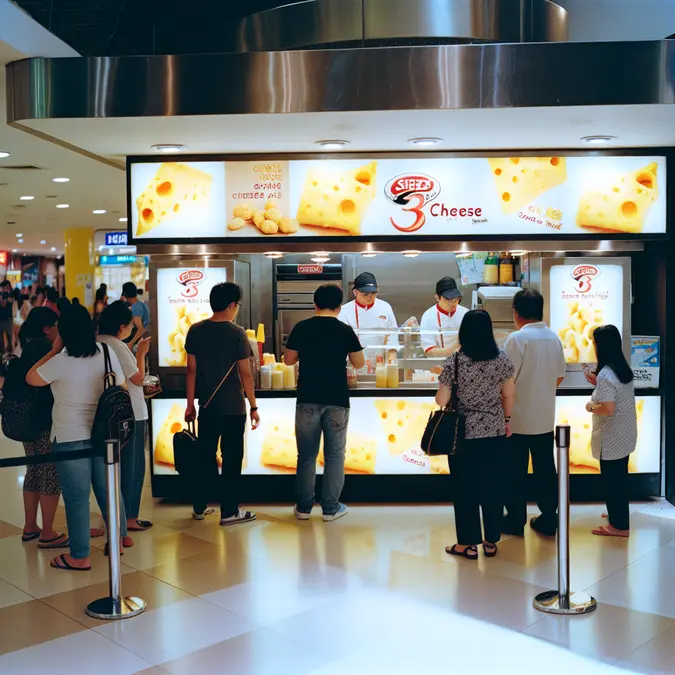
www.tnsmi-cmag.com – Chizmozza began in 2016 as a simple cheese cart concept and has since evolved into a nationwide favorite with more than 70 branches, offering a powerful case study in how a small food idea can scale into a resilient, recognizable brand.
Chizmozza and the Making of a Modern Food Franchise Story
In the increasingly crowded world of food and beverage concepts, Chizmozza stands out as a rare example of disciplined growth. What started as a humble cart selling cheese-based snacks has developed, over a decade, into a structured business with dozens of outlets, standardized operations, and a loyal customer base. Readers looking to understand how modest food ideas become scalable brands can learn a great deal from this journey.
The brand’s evolution mirrors broader trends in Asian fast-casual dining: consumers seek comfort food, fast service, and Instagram-ready snacks, yet still demand consistency and value. While we do not have access to all proprietary operational details, we can draw on public information, franchise best practices, and patterns from similar success stories to unpack how a cheese cart became a 10-year success story.
Chizmozza: 10 Powerful Lessons From a Cheese Cart Success Story
To understand the rise of Chizmozza, it helps to break down its trajectory into key lessons that food entrepreneurs, franchisors, and investors can apply to their own strategies. Below are ten interconnected insights that explain how a single concept can mature into a resilient food franchise in just a decade.
1. Chizmozza Shows the Power of a Focused Signature Product
Many food brands launch with sprawling menus and confusing identities. Chizmozza took the opposite route: a tightly defined cheese-centered concept. By anchoring its offer around cheese and mozzarella-based snacks, it simplified operations, training, and marketing.
Why this matters strategically:
- Operational efficiency: Fewer core ingredients mean tighter inventory control, less waste, and easier staff training.
- Brand clarity: Consumers quickly understand what the brand stands for: indulgent, cheese-focused comfort food.
- Marketing shorthand: The name Chizmozza itself fuses “cheese” and “mozzarella,” acting as a permanent advertisement of its key selling point.
This focus echoes global snack successes such as Auntie Anne’s, which scaled by perfecting and owning one core product category before branching out.
2. From Cart to Chain: Testing Before Scaling
The original Chizmozza cheese cart served as a live laboratory. A cart format is low-cost, low-risk, and highly adaptable. Instead of immediately investing in full-service restaurants, the founders embraced a lean, test-first model.
Key advantages of beginning with carts or kiosks include:
- Lower capital requirements: Entrepreneurs can validate demand before committing to large leases.
- Location flexibility: Underperforming sites can be moved; high-traffic areas can be replicated.
- Product iteration: Recipes, portion sizes, and price points can be refined based on real-time customer feedback.
For readers evaluating new food concepts, the early cart stage of Chizmozza illustrates why controlled experimentation often beats jumping straight into full-scale outlets.
3. Chizmozza Built a Franchise-Ready Operations Playbook
As Chizmozza expanded beyond its original cart, the brand needed something more than good products: it required consistent systems. The jump from a handful of outlets to over 70 branches would not be possible without a repeatable operations playbook.
Based on typical franchise models, that playbook likely includes:
- Standardized recipes and portioning to control cost and flavor profiles.
- Clear store design guidelines for carts, kiosks, and in-line spaces.
- Structured staff training modules to ensure consistent customer experience.
- Supplier relationships that secure steady access to cheese and other critical inputs.
For comparison, large international franchises documented by Forbes similarly emphasize robust back-end systems as the core of their scalability. Chizmozza’s 10-year trajectory likely reflects the same discipline.
4. Strategic Site Selection and the 70-Branch Milestone
Reaching more than 70 branches signals that a brand has moved beyond experiment into network effects. At that scale, the locations themselves become a marketing tool: every new branch increases visibility and awareness.
For a concept like Chizmozza, optimal sites typically include:
- Shopping malls and community centers with high foot traffic.
- Transport hubs and campus-adjacent zones where impulse snacking is common.
- Dense residential or mixed-use areas where evening and weekend traffic is strong.
Readers who follow our coverage on consumer behavior at Marketing will recognize this playbook: a snack brand wins when it meets customers where cravings occur—during commutes, shopping trips, and social gatherings.
5. Chizmozza and the Psychology of Comfort Food
Cheese occupies a special place in global comfort food culture. It is indulgent, familiar, and inherently shareable. By leaning into this emotional and sensory appeal, Chizmozza taps into a cross-demographic demand: kids, students, young professionals, and families all appreciate a well-executed cheese snack.
Several psychological levers are at work:
- Texture and pull: The visual of stretchy mozzarella has become social-media friendly content, naturally encouraging user-generated posts.
- Indulgence signaling: Cheese-based snacks carry a “treat yourself” message that fits weekend and after-work consumption.
- Shareability: Bite-sized products are easy to share in groups, amplifying word-of-mouth.
This alignment between product and emotion is one of the understated strengths behind the Chizmozza brand story.
6. Brand Storytelling: From Humble Cart to Credible Chain
In an era where customers care about origins, the founding story of Chizmozza is an asset. The narrative of “from a cheese cart in 2016 to more than 70 branches” is both aspirational and relatable. It signals hard work, persistence, and entrepreneurial grit.
Effective storytelling strategies include:
- Showcasing milestones: Anniversaries, new branch openings, and regional expansions serve as content for social channels and PR.
- Highlighting the founders: Human faces increase trust and deepen customer connection.
- Linking to local culture: Positioning Chizmozza as part of everyday life—school breaks, movie nights, and office merienda—anchors the brand in local habits.
For many readers, this narrative arc reflects broader themes we also explore under Entrepreneurship: success as the product of small, compounding decisions rather than overnight breakthroughs.
7. Chizmozza and the Franchise Model: Opportunities and Risks
While not every outlet is necessarily franchised, the scale of Chizmozza suggests some form of franchise or partnership expansion. Franchise systems allow proven brands to grow faster by tapping external capital and local operator know-how.
Potential advantages for a brand like Chizmozza include:
- Rapid geographic reach without overextending corporate balance sheets.
- Local market intelligence from franchisees who understand neighborhood dynamics.
- Stronger brand footprint that improves negotiating power with landlords and suppliers.
However, risks must be managed carefully:
- Quality control: One poorly managed outlet can damage the brand’s reputation.
- Operational drift: Franchisees may deviate from prescribed standards without strong audit mechanisms.
- Brand dilution: Aggressive expansion in saturated areas can cannibalize sales.
Chizmozza’s sustained presence over ten years suggests that governance, franchise selection, and ongoing support have been treated as strategic priorities rather than afterthoughts.
8. Digital Visibility, Social Buzz, and the Chizmozza Effect
No modern food brand can scale without a robust digital footprint. While granular metrics are proprietary, the likely growth of Chizmozza coincides with the rise of visual-first platforms such as Instagram, TikTok, and Facebook Reels.
Visual snacks like mozzarella sticks, cheese bombs, and stuffed bites thrive in online environments where “food porn” content drives engagement. For Chizmozza, each customer effectively becomes a brand ambassador when they post:
- Slow-motion cheese pulls.
- Unboxing-style videos of new menu items.
- Group photos centered on shared orders.
Complementing this organic reach, well-targeted digital advertising and local store promotion can reinforce brand recall. Combined, these tactics help explain how a once-local cart concept grew into a widely recognized name within a decade.
9. Supply Chain Discipline Behind the Chizmozza Brand
Cheese is both the hero and the operational challenge at Chizmozza. Unlike shelf-stable snacks, cheese requires careful cold-chain management, consistent sourcing, and cost control. Global dairy price volatility and logistics disruptions—especially evident during the COVID-19 period documented by outlets such as Reuters—can pressure margins.
Sustainable scaling for Chizmozza likely involves:
- Long-term supply contracts with cheese producers or distributors.
- Centralized commissaries that pre-portion or pre-bread items for distribution to branches.
- Demand forecasting to align production with peak periods and avoid waste.
Readers who operate food businesses know that solid branding can attract customers once, but operational rigor—exactly the kind that keeps cheese fresh, safe, and consistent—determines whether they return.
10. What Chizmozza Teaches Future Food Entrepreneurs
Looking at the 10-year arc of Chizmozza, several strategic themes emerge for aspiring founders and investors:
- Start narrow, think big: A focused cart concept can later evolve into a nationwide chain, provided the fundamentals are strong.
- Systematize early: Document what works, from recipes to service scripts, before rapid expansion.
- Leverage narrative: Authentic origin stories resonate with customers and potential franchise partners alike.
- Treat supply chain as strategy: Especially for perishable hero ingredients like cheese, procurement and logistics are competitive advantages.
The Chizmozza story illustrates that scale is not reserved for multinational giants. Thoughtful, disciplined growth can lift a local idea into a recognizable chain within a decade.
Chizmozza in Context: A Decade of Evolving Consumer Tastes
The rise of Chizmozza also reflects structural shifts in how consumers eat and spend. Over the last ten years, we have seen:
- Increased snacking: Traditional three-meal patterns give way to multiple smaller eating occasions.
- Hybrid lifestyles: Work-from-home trends mix with on-the-go urban routines, creating flexible demand for quick indulgences.
- Value-conscious indulgence: Consumers want small, affordable rewards rather than full-scale dining splurges.
Within this landscape, Chizmozza’s affordable, portion-controlled, cheese-forward menu hits a sweet spot. The brand offers an accessible treat that does not require a full sit-down dining commitment, yet feels more substantial than basic convenience-store snacks.
Conclusion: Why Chizmozza Matters for the Next Wave of Food Ventures
As we look back on a decade of growth, Chizmozza offers more than a feel-good entrepreneurial anecdote. It operates as a practical blueprint for how focused concepts can evolve: start lean with a cart, refine the menu around a powerful hero ingredient, codify operations, then scale through disciplined expansion and smart franchise structures.
For readers across the food and retail ecosystem—founders, franchisees, suppliers, and investors—the 10-year success story of Chizmozza underscores a central lesson: in a market crowded with fleeting trends, enduring growth comes from clarity of concept, operational excellence, and a brand narrative that people genuinely want to be part of.
As the next generation of food entrepreneurs design their own concepts, the trajectory of Chizmozza will remain a compelling case study in how a simple cheese cart can, with the right strategy and execution, rise to become a modern food franchise benchmark.