
 0
0
 0
0
www.tnsmi-cmag.com – The minimum wage bill advancing through the Pennsylvania House after Gov. Josh Shapiro’s recent budget address marks a pivotal moment in the state’s long-running fight over low-wage labor, inflation, and economic competitiveness. With a full House vote expected as early as March 23, lawmakers, employers, and workers are bracing for a debate that will shape paychecks and business models for years to come.
Minimum Wage Bill in Pennsylvania: A New Phase in a Long Battle
The current minimum wage in Pennsylvania remains at the federal floor of $7.25 per hour, a level unchanged since 2009. Meanwhile, many neighboring states have already raised their minimum wages, some via automatic cost-of-living increases. This gap has increasingly placed Pennsylvania at the center of a policy and political storm.
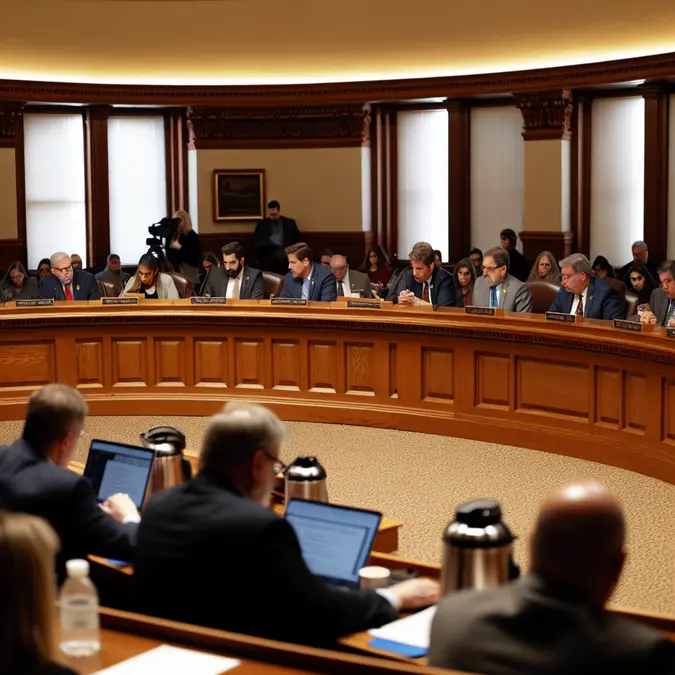
Democrats in the state House have now pushed a new minimum wage bill through committee on a party-line vote, just days after Gov. Josh Shapiro outlined his fiscal priorities in his budget address. The timing is not coincidental: wage policy sits at the intersection of tax revenue, social spending, and economic growth, and any change will ripple through the entire state economy.
Although the full text of the bill is not yet widely disseminated, based on patterns in recent proposals in Pennsylvania and comparable states, observers expect several elements to be central to the debate:
- A significant increase over the current $7.25 per hour baseline
- A multi-year phase-in schedule to allow businesses time to adjust
- Potential indexing of future increases to inflation or median wages
- Clarification of tipped wage rules and exemptions for specific sectors
As this legislative package moves toward a floor vote, Pennsylvania joins a broader national discussion that has unfolded for more than a decade. According to the U.S. Department of Labor, more than half of U.S. states now have minimum wages higher than the federal standard, underscoring how policy fragmentation has become a competitive factor between regions.
How the Minimum Wage Bill Fits Into Shapiro’s Budget Vision
Gov. Josh Shapiro’s budget address set the tone for this year’s fiscal and policy negotiations in Harrisburg. While the budget speech focused on education, infrastructure, and economic opportunity, wage policy is effectively the backbone of any long-term strategy to raise living standards without perpetually expanding state aid.
By moving a minimum wage bill through committee immediately after the governor’s address, House Democrats signaled that they see higher wages as a cornerstone of their economic message. For readers evaluating the alignment between the bill and the governor’s broader agenda, three themes stand out:
- Workforce stability: Higher base pay can help retain workers in key sectors such as retail, hospitality, and care services, reducing turnover and training costs.
- Tax base and spending: Higher wages can increase income and sales tax revenue, while potentially lowering reliance on some public assistance programs.
- Regional competitiveness: Pennsylvania competes with states like New York, New Jersey, and Maryland, all of which have significantly higher minimum wages. Persistently low wages may deter skilled workers and accelerate out-migration.
For in-depth coverage of statehouse policy dynamics, readers can explore our public policy reporting hub at Politics, where we regularly analyze the intersection of legislation, economics, and electoral strategy.
Minimum Wage Bill: 7 Critical Shifts to Watch
To understand what this moment means for Pennsylvania’s economy and political landscape, we break down seven critical shifts likely to stem from the new minimum wage bill, if it passes in something close to its current form.
1. A Higher Wage Floor for Hundreds of Thousands of Workers
The central change is straightforward: raising the wage floor. According to research from the Economic Policy Institute, millions of workers nationwide still earn near-minimum wages, and Pennsylvania is no exception. Retail clerks, food-service workers, home health aides, and part-time students form a significant share of those earning close to $7.25 per hour.
Even a moderate increase can translate into thousands of dollars of additional annual income for full-time workers. For a household hovering near the poverty line, that difference can determine whether they fall behind on rent, medical bills, or childcare costs.
For many low-wage workers, wage hikes are not about luxury—they are about the ability to cover essentials: housing, food, transportation, and healthcare.
2. Business Cost Pressures and the Adaptation Challenge
Opponents of the minimum wage bill, particularly among House Republicans and business lobbies, argue that mandated wage hikes will squeeze small businesses already facing tight margins. Restaurants, small retailers, and rural employers may feel the greatest stress.
However, economists note that businesses have multiple adaptation options:
- Incrementally raising prices, especially in sectors with relatively inelastic demand
- Investing in efficiency improvements and technology
- Reducing employee turnover by using higher wages to build more stable, experienced teams
- Adjusting staffing models over time rather than through abrupt layoffs
Real-world outcomes vary by sector and region, but most modern research suggests that moderate increases in minimum wages have far smaller employment impacts than previously feared, especially when phased in gradually.
3. Political Polarization and the Party-Line Committee Vote
The committee’s party-line vote on the minimum wage bill reinforces a broader pattern in state and national politics. Wage policy, once a more bipartisan issue, has become emblematic of a deeper divide over the role of government in setting economic standards.
Democrats frequently frame higher minimum wages as a matter of fairness and basic economic dignity. Republicans tend to emphasize market flexibility, warning about unintended consequences such as reduced hiring, higher prices, or job cuts in vulnerable industries. That the bill cleared committee without a single opposing-party vote in favor suggests that the floor debate will likely be equally polarized.
For businesses and civic leaders, this polarization creates planning uncertainty. When wage policy swings with electoral cycles, it becomes harder to make long-term investment and hiring decisions. Stable, predictable policy frameworks are often more valuable than any specific dollar figure, because they allow businesses to plan ahead.
4. Regional Wage Competition and Worker Migration
Pennsylvania sits in a corridor where several neighboring states have already embraced higher minimum wages. According to public data compiled by the U.S. Department of Labor, states like New York and New Jersey have wage floors well above $7.25, and some localities, such as New York City, are even higher.
When workers can cross state lines for higher pay—especially in border counties—wage disparities become a labor market issue. Over time, workers may gravitate toward regions where low-wage jobs offer relatively better compensation, even after factoring in commute or cost-of-living differences. For employers on the Pennsylvania side, that can mean chronic staffing challenges and rising recruitment costs.
The proposed minimum wage bill could help narrow that gap, making it easier for Pennsylvania employers to compete for talent and reducing the incentive for workers to seek entry-level work across the border.
5. Inflation, Cost of Living, and Indexation Debates
Inflation has sharpened the urgency of the wage debate. A $7.25 wage in 2009 had significantly more purchasing power than it does in 2024. As detailed by historical inflation data from the U.S. Bureau of Labor Statistics, cumulative price increases over the last decade and a half mean that a worker earning the federal minimum today effectively earns far less in real terms than a comparable worker did when the wage was last updated.
Many contemporary minimum wage bill proposals therefore include some form of indexation—automatic yearly increases linked to inflation or average wages. Indexation reduces the need for periodic political battles, but it also removes some flexibility for lawmakers to pause or slow increases during recessions.
As the Pennsylvania bill moves forward, indexation will be a critical design element to watch. Lawmakers must balance three competing goals:
- Protecting workers from gradual erosion of buying power
- Providing employers with predictable, manageable annual adjustments
- Retaining the ability to respond to economic shocks or downturns
6. Impacts on Poverty, Inequality, and Public Assistance
One of the most compelling arguments in favor of the minimum wage bill is its potential to reduce poverty and narrow income inequality. Though no single policy can resolve structural inequities, a higher wage floor can lift the bottom of the income distribution and reduce the share of full-time workers living below or near the poverty line.
In Pennsylvania, as in many states, a portion of working households rely on public assistance to cover necessities such as food and healthcare. When wages rise, some households may earn too much to qualify for certain programs, but they also gain more direct control over their income. For state budgets, this can mean a gradual shift from safety-net expenditures toward investments in education, infrastructure, and workforce development.
However, analysts warn of so-called “benefits cliffs,” where relatively small wage increases can cause households to lose eligibility for assistance worth more than their added income. Effective implementation of the new wage requires coordinated planning across tax, welfare, and labor agencies to ensure that workers genuinely move ahead.
7. What Comes Next: Senate Dynamics and Implementation Timelines
The House committee vote is only the first major hurdle. Even if the full House approves the minimum wage bill on or around March 23, the legislation must still pass the state Senate, where partisan balances and committee leadership may differ. The Senate could amend, delay, or block the bill entirely.
Assuming a compromise is eventually reached and the governor signs the measure into law, implementation details will matter enormously:
- Phase-in schedule: How quickly the wage rises, and in how many steps, can determine whether employers have time to adapt smoothly.
- Sector-specific rules: Tipped workers, seasonal employees, and youth workers often fall under different rules; any changes must be clearly communicated.
- Enforcement capacity: Labor departments must have the resources to monitor compliance, investigate complaints, and provide guidance to small businesses.
For continuing coverage of regulatory implementation and labor market responses, readers can follow our dedicated labor and economy reporting channel at Economy, where we track how policy shifts translate into real-world outcomes.
Minimum Wage Bill and the Broader Economic Narrative
The fierce debate around this minimum wage bill underscores a larger question: What kind of economy do Pennsylvanians want to build for the next decade? Is it one that relies on a steady supply of low-wage labor to keep prices down in service sectors, or one that leans into higher wages, productivity gains, and a more robust consumer base?
Economists remain divided on the precise employment effects of higher minimum wages, but the research over the past 20 years increasingly points to nuanced outcomes. Small increases, especially in tight labor markets, often have limited job-loss effects and can even spur local economic activity as low-wage workers spend more of their income in their communities. Larger, abrupt jumps can create stress points, particularly in rural or economically fragile regions.
Policymakers, therefore, face a calibration challenge, not a binary choice. The details—dollar amounts, timelines, exemptions, and enforcement mechanisms—will decide whether the new wage floor becomes a broadly shared gain or a source of friction.
Conclusion: Why the Minimum Wage Bill Vote Matters Now
As Pennsylvania’s House prepares for a potential March 23 vote, the minimum wage bill represents more than just a change to an hourly rate. It is a test of the state’s economic priorities, a reflection of widening political divides, and a signal to workers and businesses about what to expect in the years ahead.
If lawmakers can craft a measured, evidence-based package that raises wages while providing businesses with clarity and time to adapt, Pennsylvania could move closer to a more inclusive and resilient economy. Conversely, if the debate stalls in partisan deadlock, the state risks falling further behind its neighbors in both worker pay and competitive positioning.
For readers, the lesson is clear: the fate of this minimum wage bill is not an abstract legislative skirmish. It will directly influence household budgets, hiring decisions, price levels, and the long-term trajectory of Pennsylvania’s economy. Staying informed—and engaged—has rarely been more important.