
 0
0
 0
0
www.tnsmi-cmag.com – SNAP bans on soda and other sugary or low-nutrition items are taking effect in five U.S. states beginning Jan. 1, signaling one of the most ambitious attempts yet to use food assistance policy as a lever for public health and reshaping what millions of Americans can buy with federal benefits.
SNAP bans on soda: What is changing on Jan. 1?
On Jan. 1, five states are implementing new restrictions on what can be purchased through the Supplemental Nutrition Assistance Program (SNAP), the nation’s largest anti-hunger initiative, formerly known as food stamps. While specific lists vary by state, the most high-profile target is sugary beverages — from classic sodas to many energy drinks and sweetened teas. Several of the states are also moving to curb purchases of candy, certain snack foods, and ultra-processed products with minimal nutritional value.
These changes do not reduce the overall monthly benefit amount, nor do they remove people from SNAP rolls. Instead, they redraw the boundary between what is considered an acceptable food purchase with taxpayer-funded benefits and what is not. That distinction, long debated in academic and policy circles, is now being tested at real scale.
SNAP is administered federally by the U.S. Department of Agriculture (USDA), but states have some room to pilot innovations or waivers with federal approval. The five states moving ahead on Jan. 1 are doing so under that experimental framework, turning themselves into real-time laboratories for food policy.
Why states are targeting sugary drinks and candy
To understand the logic of SNAP bans on soda, we need to look beyond ideology and into the hard data on diet-related disease. According to the U.S. Centers for Disease Control and Prevention (CDC), obesity affects more than 40% of American adults, while conditions such as type 2 diabetes and cardiovascular disease remain among the country’s leading causes of death and disability. A significant body of research links high consumption of sugar-sweetened beverages to weight gain, insulin resistance, and increased risk for chronic disease.
Public health advocates argue that it makes little sense for a program whose mission is to improve nutrition and food security to subsidize products that actively undermine health. In their view, allowing unlimited purchases of soda with SNAP dollars effectively means that taxpayers are underwriting a preventable disease burden. Several influential studies published over the past decade in journals such as Health Affairs and American Journal of Public Health have modeled how restricting sugary drinks in SNAP could reduce obesity-related health costs.
Furthermore, the Dietary Guidelines for Americans — the federal government’s own nutrition roadmap — clearly recommend limiting added sugars, especially from beverages. Supporters of the new state policies say these guidelines should be reflected in how public money is spent.
How the new SNAP bans on soda will work in practice
While details differ from one state to another, the operational logic behind the changes is similar. SNAP purchases are made via Electronic Benefit Transfer (EBT) cards, which run on a digital system that already distinguishes between eligible and ineligible items (for example, it excludes alcohol, hot prepared foods, or household goods). The new rules expand the list of ineligible products to include defined categories of sugary drinks and, in some states, candy and certain snack foods.
SNAP bans on soda and the role of retailers
Retailers — from national supermarket chains to small corner stores — are being asked to update their point-of-sale systems and product coding to comply. In practice, this means:
- Flagging specific UPC barcodes tied to products such as regular soda, sweetened fruit drinks, and some energy drinks.
- Ensuring that EBT systems automatically decline these items when customers attempt to pay with SNAP benefits.
- Training cashiers to handle questions and assist customers in making alternative selections eligible under the new rules.
Most major retailers already manage complex eligibility lists, so the technology is not new. However, the breadth of products affected by SNAP bans on soda and candy means that states and grocers must coordinate closely to avoid confusion or unintended disruptions at checkout.
The public health case: potential benefits and real limits
Supporters of the new restrictions frame them as a pragmatic public health intervention embedded in an existing program with vast reach. According to the USDA, SNAP served roughly 42 million Americans in recent years, including a high proportion of children, older adults, and people with disabilities. Even modest changes in purchasing patterns across such a large population could yield cumulative health benefits.
Proponents put forward several anticipated gains:
- Reduced sugar intake: Removing soda and similar drinks from the SNAP-eligible basket directly limits one of the largest single sources of added sugar in the American diet.
- Shift toward nutritious staples: Advocates hope that families will redirect part of their budget toward fruits, vegetables, lean proteins, and whole grains.
- Lower long-term healthcare costs: If the policies successfully reduce chronic disease risk, they could alleviate pressure on Medicare, Medicaid, and employer-funded health plans over time.
However, health experts stress that these policies are not a silver bullet. Individuals can still purchase soda and candy with their own cash, and diet-related disease is driven by a complex interplay of factors: food marketing, built environments, income, education, and access to safe places for physical activity. As the World Health Organization notes in its extensive work on obesity and noncommunicable diseases, effective strategies usually combine multiple levers, from taxation and labeling to education and community-based initiatives (World Health Organization).
The civil liberties and equity concerns
Opponents of SNAP bans on soda raise sharp questions about fairness, dignity, and the appropriate limits of government intervention. Civil liberties groups and some anti-hunger advocates argue that these restrictions create a two-tier system: one in which higher-income households retain full freedom of choice, while low-income households face paternalistic controls.
Critics warn that the policies risk stigmatizing SNAP participants, reinforcing stereotypes that low-income Americans cannot be trusted to make decisions about their own diets. There is also concern that policy debates are focusing too narrowly on individual behavior while granting relatively little scrutiny to corporate food marketing practices or structural barriers to healthy eating.
Moreover, some advocates fear that once the door is opened to restricting certain foods, political pressure could expand the list in ways that reflect ideology rather than science — for example, targeting cultural foods or pushing specific industry-friendly categories. The American Civil Liberties Union (ACLU) and other rights-focused organizations have previously argued in similar debates that respect for autonomy should remain a core principle of social programs (ACLU).
Economic ripple effects for retailers and beverage companies
The economic consequences of these policy shifts extend far beyond grocery aisles. For retailers operating in communities where a large share of revenue comes from SNAP transactions, product mix and profit margins could change. Sugary beverages are often high-margin items, and even a modest decline in sales volume can affect bottom lines, especially for small convenience stores.
For beverage manufacturers and distributors, the symbolism may be as significant as the immediate revenue impact. Being formally designated as ineligible for SNAP implies a kind of government-backed warning label. It signals that these products are not just indulgent but actively misaligned with national nutrition goals.
Industry groups are watching closely. Historically, beverage companies have lobbied against soda taxes and warning labels. The emergence of state-level SNAP bans on soda adds another front in this policy battle, potentially prompting legal challenges or intensified lobbying in state legislatures and in Washington.
How these bans fit into the broader U.S. food policy landscape
To place these developments in context, it helps to zoom out. The United States has seen a patchwork of efforts over the past decade to curb sugary drink consumption and promote healthier diets:
- Local soda taxes in cities such as Philadelphia, Seattle, and Berkeley, California.
- Menu labeling requirements for chain restaurants under the Affordable Care Act.
- School nutrition reforms tightening standards on beverages and snacks available on campus.
SNAP bans on soda represent a distinct evolution: rather than raising prices or adding information, they directly define what publicly funded benefits can buy. That approach moves food policy deeper into the core of social welfare design and forces lawmakers to confront fundamental questions: Is SNAP purely about hunger, or is it also about health? Should the government treat all calories as equal for program purposes, or should it privilege nutrient-dense choices?
Readers who follow social policy debates on Politics and public spending will recognize a familiar tension here: the balance between freedom and paternalism, efficiency and compassion, short-term cost and long-term impact.
What low-income families can expect at the checkout
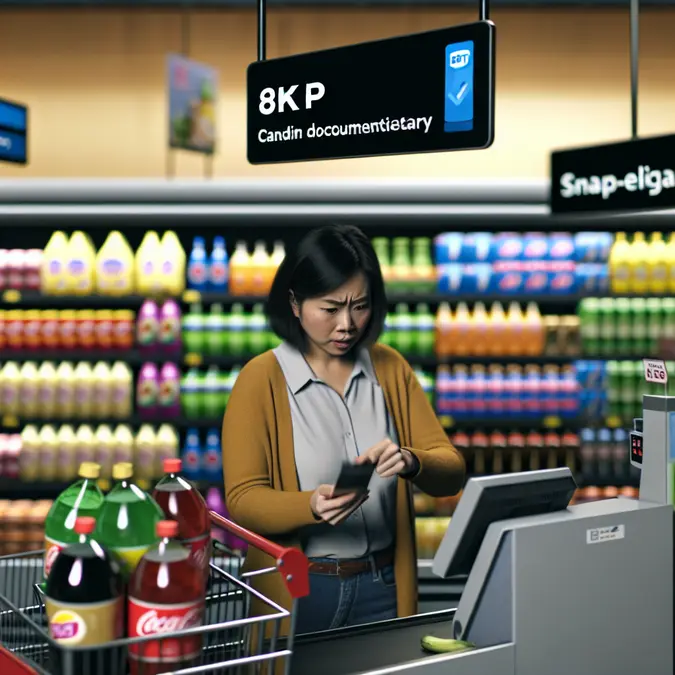
For the families actually using SNAP, the impact of Jan. 1 will be felt most tangibly at the checkout lane. Households accustomed to stocking up on soda or candy with their monthly benefits will encounter new friction. Cashiers may need to explain why certain items are declined, and shoppers will have to decide whether to spend cash on those products or choose a different, eligible option.
States rolling out these policies have a responsibility to communicate clearly with participants. That includes:
- Mailers and digital notices explaining the rule changes in plain language.
- Multilingual outreach campaigns in community centers, clinics, and schools.
- Easy-to-use online tools or mobile apps where recipients can check item eligibility.
If states underinvest in communication, confusion and frustration could undermine trust in the program. Conversely, if they pair SNAP bans on soda with supportive education, recipe ideas, and practical budgeting tips, they may help families navigate the transition more smoothly.
How success will be measured — and why evidence will matter
Ultimately, these five states are acting as test beds for a bigger national debate. Policymakers at the federal level will be watching closely for three key outcomes:
- Consumption changes: Do households subject to the bans actually buy fewer sugary drinks overall, or do they simply shift purchases to non-SNAP funds?
- Health indicators: Over several years, do we see measurable improvements in obesity rates, diabetes prevalence, or other markers of metabolic health?
- Program satisfaction and stigma: Do participants report feeling respected and supported, or do they experience the rules as humiliating and intrusive?
Independent research, rigorous evaluation, and transparent data reporting will be crucial. Without strong evidence, the national conversation risks devolving into ideological talking points. With it, lawmakers can make more informed choices about whether to expand, modify, or roll back SNAP bans on soda and similar interventions.
Readers interested in the intersection of social policy, health systems, and economic impact can explore broader coverage in our Economy section, where we examine how government programs shape market behavior and household well-being.
What this means for the future of nutrition policy
Looking ahead, the Jan. 1 changes could prove to be an inflection point. If evaluations show meaningful health gains with minimal harm to dignity and access, other states may seek similar waivers. We could see a gradual normalization of nutrition-focused eligibility rules in SNAP, perhaps along with positive incentives such as bonus benefits for purchasing fruits and vegetables.
If, on the other hand, the policies generate widespread backlash, administrative headaches, or negligible health benefits, they may stand as a cautionary tale about overreach. Either outcome will shape the political feasibility of more ambitious reforms, such as comprehensive national standards for ultra-processed foods in public programs or broader taxes on sugar-sweetened beverages.
For now, these five pioneering states are stepping into uncharted territory. They are betting that aligning food assistance with nutrition science is worth the political heat, the operational complexity, and the ethical debate. As the evidence emerges over the next few years, the rest of the country will effectively be watching a real-time experiment in 21st-century food policy.
Conclusion: SNAP bans on soda as a test of values and evidence
At its core, the move toward SNAP bans on soda forces the United States to confront a difficult but unavoidable question: What do we expect from our largest food assistance program? Is SNAP simply a mechanism to put any calories on the table, or is it a public health tool that should actively steer eating patterns toward long-term well-being?
The five states implementing restrictions on soda, candy, and other low-nutrition foods are offering one answer. They argue that when public dollars are on the line, it is both reasonable and responsible to prioritize choices that align with national dietary guidelines and reduce preventable disease. Their critics warn that in doing so, we may erode autonomy, deepen stigma, and sidestep the corporate and structural drivers of poor diets.
Over the coming years, the data will show whether these policies deliver on their promise. In the meantime, the debate around SNAP bans on soda will remain a powerful lens through which readers can examine the broader tensions shaping American social policy: between individual freedom and collective responsibility, short-term relief and long-term health, and the kind of food system we ultimately want to build.