
 0
0
 0
0
www.tnsmi-cmag.com – The phenomenon of trial by social media is no longer a fringe concern. A recent case involving a Kerala resident, whose video went viral and led to an arrest, has reignited global debate on how online outrage, public shaming, and instant judgment can damage reputations, mental health, and even due process long before any court issues a verdict.
Trial by Social Media: How a Viral Kerala Video Exposed a Global Problem
In the Kerala incident that drew commentary from UAE-based experts, a short video clip circulated across platforms such as WhatsApp, X (formerly Twitter), Instagram, and Facebook. Within hours, social media users had formed their own narrative, passed judgment, and amplified calls for punishment. Local authorities, facing intense public pressure, responded with an arrest. The legal process will now follow its course, but for the individual at the center of the storm, the sentence of public opinion has already begun.
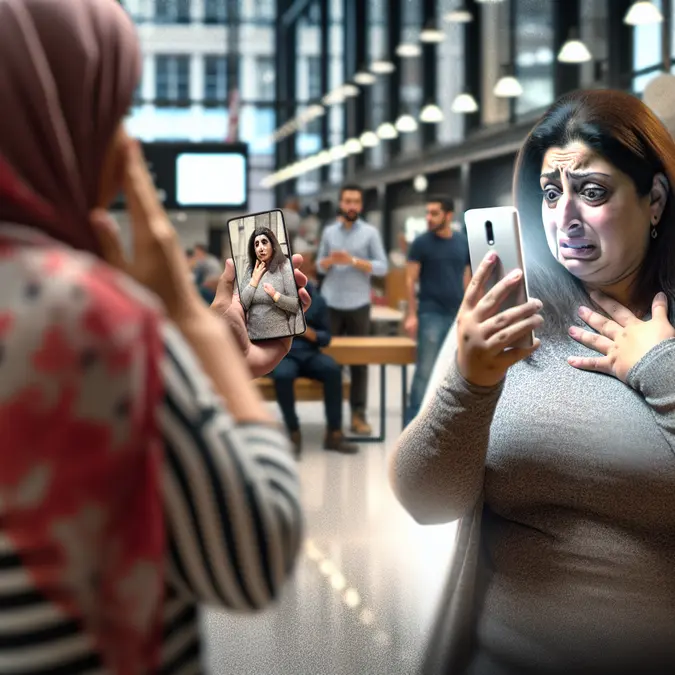
UAE psychologists and legal specialists quoted in the original report warned that becoming the target of a coordinated or viral pile-on can trigger severe psychological distress, including anxiety, insomnia, panic attacks, and long-term trauma. This mirrors trends seen worldwide, where online shaming has become so intense that it can impact not only emotional well-being but also employment, family relationships, and physical safety.
To understand what happened in Kerala is to understand a broader, uncomfortable reality: our digital spaces now function as parallel courts, running on emotion, speed, and visibility rather than evidence, process, and law. That is the essence of trial by social media.
Why Trial by Social Media Is So Powerful – and So Dangerous
Trial by social media thrives on the core mechanics of today's platforms: virality, engagement, and algorithmic amplification. Platforms reward content that provokes strong emotion. Outrage, indignation, and moral certainty perform extremely well, because people share what shocks or angers them. As a result, a short, de-contextualised video can spread further and faster than a carefully investigated news article.
Researchers in digital sociology and media studies have documented how online shaming can escalate rapidly into mass harassment and real-world consequences. For example, law professor Daniel Solove's work on privacy and digital reputation, and sociologist Jon Ronson's book on public shaming, highlight how a single post can ruin careers and lives in hours. These dynamics are not unique to Kerala, the UAE, or India; they are global, systemic features of the modern internet.
Furthermore, social media collapses time and space. A local incident can become a global spectacle visible in multiple languages and regions. People who have no connection to the event or the individuals involved can still join the outrage, adding pressure on authorities and multiplying the psychological burden on the person targeted.
7 Critical Lessons About Trial by Social Media in the Digital Era
To respond responsibly to this new reality, readers, institutions, and policymakers must internalize several key lessons. Below are seven critical insights that can help frame a more ethical and informed approach to viral controversies.
1. Trial by Social Media Undermines Due Process
Legal systems across the world are built on the principle of due process: the idea that individuals are presumed innocent until proven guilty in a court of law. Trial by social media inverts this. People are often presumed guilty the moment a clip, screenshot, or allegation appears online.
Legal experts in the UAE and elsewhere have repeatedly warned that public digital campaigns can interfere with investigations, intimidate witnesses, and indirectly pressure law enforcement or judicial officers. In some jurisdictions, excessive public commentary on an ongoing case can even amount to contempt of court. For readers in any country, the key takeaway is clear: social media is not a courtroom, and it should not be allowed to replace one.
For deeper understanding of how due process functions in modern legal systems, readers can refer to established resources like Wikipedia's overview of due process, which explains the historical and constitutional roots of this concept.
2. The Psychological Toll Is Profound and Often Invisible
In the Kerala case, UAE-based mental health professionals highlighted that viral condemnation can trigger intense stress responses. Being the focus of mass judgment brings a unique sense of exposure: everywhere feels unsafe, every notification feels threatening. For many, this translates into:
- Acute anxiety and panic attacks as they watch their name and image spread beyond their control.
- Social withdrawal due to fear of being recognized or confronted offline.
- Sleep disturbances and constant hypervigilance, classic markers of trauma and chronic stress.
- Shame and self-stigma, even when the facts are contested or exonerating information later emerges.
It is no coincidence that global institutions, including the World Health Organization (WHO), have begun to treat online abuse and cyberbullying as serious public health concerns. Trial by social media stands at the extreme end of that spectrum, because volume, speed, and permanence combine to create a uniquely intense form of pressure.
3. Partial Clips and Viral Narratives Rarely Tell the Whole Story
One of the most critical aspects of trial by social media is that initial content is almost always incomplete. A 10-second video cannot capture context, history, intent, or preceding events. Yet our brains naturally fill the gaps, constructing a story that seems coherent. Once millions of people have shared and commented on that story, it becomes extremely difficult to correct, even if new facts later emerge.
Furthermore, editing tools, selective framing, and deliberate misinformation can amplify distortions. In highly polarized environments, groups may weaponize viral content to target rivals, minorities, or ideological opponents. The result is not just personal harm but social fragmentation, as each community believes a different, emotionally charged version of events.
4. Algorithms Intensify Trial by Social Media
Social platforms do not passively host content; they actively rank and recommend it. Controversial topics, emotional commentary, and viral outrage attract clicks, comments, and shares, which in turn signal "relevance" to recommendation systems. This feedback loop can turbocharge trial by social media.
For example, a user who engages with one outraged post about a controversial video may soon see dozens of similar posts, reinforcing their initial perception and encouraging them to join the digital pile-on. The moderation tools and content policies of major platforms are struggling to keep pace with this behavioral and algorithmic reality.
From a media literacy perspective, readers should approach outrage-driven content with a critical mindset: Who posted this? What might be missing? Is this being amplified because it is true and important, or because it is emotionally explosive?
5. Employers, Schools, and Families Face New Ethical Dilemmas
When someone is at the center of trial by social media, the fallout often extends beyond the individual. Employers may face public pressure to terminate the person's contract. Educational institutions may face calls to suspend or expel students. Families can become collateral targets of harassment and threats.
Responsible organizations now need clear, principled frameworks that balance three priorities:
- Respect for due process and internal investigation procedures.
- Protection of staff or students from harm, harassment, or unsafe environments.
- Compliance with the law while maintaining human dignity and non-discrimination.
Some forward-looking companies and institutions, especially in regions with strong digital governance agendas such as the Gulf and wider Middle East, are starting to develop such policies. Readers interested in broader regional trends can explore discussions in sections like Global Issues on our platform to see how digital ethics intersect with geopolitics and governance.
6. Media and Journalists Must Resist the Rush to Judgment
Professional newsrooms face their own pressures in an age of trial by social media. When a video or allegation trends online, audiences expect immediate coverage. But responsible journalism demands verification, context, and balance. If media outlets simply mirror social media outrage without scrutiny, they risk legitimizing unproven narratives and deepening harm.
Ethical guidelines from press councils and professional associations stress the need to protect the presumption of innocence, especially in crime reporting. That includes cautious use of names and images, clarity that an arrest is not a conviction, and attention to follow-up coverage if allegations are withdrawn or disproven. In the Kerala case and others like it, these principles are not optional; they are essential safeguards against amplifying digital vigilantism.
7. Individuals Need Practical Strategies to Navigate Trial by Social Media
While policy and platform reform are vital, everyday users also need realistic strategies. If you ever find yourself at the center of an online storm—or even adjacent to one—it is crucial to act deliberately rather than react impulsively. Consider the following steps:
- Pause before posting: Resist the urge to comment, apologize, or argue in the heat of the moment. Rash responses can be misinterpreted and recirculated.
- Seek legal advice: A qualified lawyer can guide you on your rights, from defamation and privacy to cybercrime provisions in your jurisdiction.
- Document everything: Save screenshots, URLs, and timestamps. This evidence can be important if you pursue legal or administrative remedies.
- Protect your mental health: Limit your exposure to hostile content, lean on trusted family and friends, and consider speaking with a mental health professional if distress persists.
- Engage with verified channels: Where appropriate, issue any statements through credible intermediaries—such as legal representatives or official institutional accounts—rather than emotional personal posts.
For readers who want to explore how communities, regulators, and innovators are responding to these digital challenges, our coverage in areas like Technology often examines the intersection of platforms, policy, and human behavior.
The Global Context: Digital Law, Cybercrime, and Social Responsibility
Many countries, including those in the Gulf and South Asia, are updating their cybercrime, defamation, and privacy laws to account for the realities of trial by social media. These regulations may criminalize certain forms of online harassment, hate speech, and unauthorized sharing of personal data. However, law alone cannot fully resolve the issue.
There is a delicate balance to strike. Overly broad laws can chill legitimate criticism, whistleblowing, or investigative journalism. Weak regulations, on the other hand, can leave individuals defenseless against mass harassment or doxxing. Policymakers must therefore craft precise, transparent rules that protect both free expression and personal dignity.
Civil society, tech companies, and educational institutions also have critical roles to play. Digital citizenship programs can teach younger users how to recognize misinformation, avoid joining digital mobs, and report harmful content responsibly. Platforms can improve their reporting tools, transparency processes, and appeals mechanisms for users who believe they have been unfairly targeted.
Ethical Responsibility in the Age of Trial by Social Media
At its core, the debate around trial by social media is not only about law or technology. It is about ethics. Every user who shares a video, posts a comment, or forwards a rumor participates—however marginally—in shaping another person's reputation and psychological reality.
Contrary to popular belief, being "just one more share" is not morally neutral. When millions of users think the same way, trial by social media becomes inevitable. The Kerala case, amplified and dissected far beyond its original context, is a stark reminder that the “public” in public opinion consists of individuals making choices, one click at a time.
We all bear a measure of responsibility to uphold standards once reserved for judges, journalists, and investigators: patience, skepticism, and a willingness to wait for verified facts. In the digital square, restraint is not weakness; it is maturity.
Conclusion: Building a Healthier Digital Culture Beyond Trial by Social Media
The Kerala arrest and the warnings issued by UAE experts are not isolated footnotes in the news cycle. They are part of a larger global conversation about how we, as connected societies, balance accountability with fairness, expression with empathy, and speed with truth.
If we allow trial by social media to become the default mode of judgment, we risk normalizing emotional volatility over due process, spectacle over substance, and permanent reputational damage over the possibility of learning, apology, or redemption. The stakes are human: mental health, livelihoods, and trust in institutions all hang in the balance.
Readers, policymakers, platforms, and professionals share a collective obligation to push back against digital vigilantism. That means practicing critical thinking before sharing, demanding higher ethical standards from media and influencers, and supporting legal frameworks that protect both rights and dignity. Only then can we preserve the benefits of open digital communication without surrendering justice and compassion to the harsh court of trial by social media.