
 0
0
 0
0
www.tnsmi-cmag.com – A premium rural lifestyle property like the 1087-acre Timbertop holding near Dunedoo shows how modern buyers now seek much more than simple acreage – they want quality grazing, a luxurious home base, and genuine biodiversity opportunity bundled into one strategic asset.
Rural lifestyle property as a modern investment class
Across Australia and in many developed markets, the concept of a rural lifestyle property has matured from a romantic countryside dream into a distinct investment class. Timbertop – with its combination of open, productive grazing flats and undulating timbered hills – illustrates this evolution with unusual clarity. Buyers are no longer satisfied with mere scenery; they are targeting properties that can deliver:
- Reliable agricultural productivity, often through cattle or sheep grazing
- Comfortable or luxurious residential infrastructure suitable for permanent living or high-end retreats
- Environmental and biodiversity credentials that improve long‑term land value and access to emerging markets
- Proximity to regional hubs, logistics routes and services
This convergence of lifestyle, income potential and environmental value has transformed how agents, banks and policy makers view rural holdings. As rural regions diversify, lifestyle-driven acquisitions are influencing land prices, infrastructure development and local economies.
Rural lifestyle property and the Timbertop blueprint
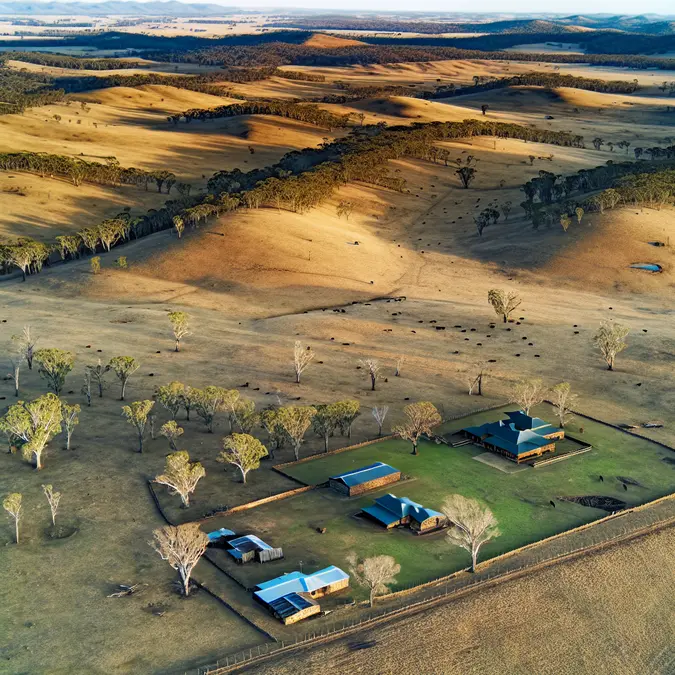
Timbertop’s profile – luxurious country living set on roughly 1087 acres of mixed country – provides a useful blueprint for assessing any rural lifestyle property. While each holding is unique, several structural features consistently separate high-performing estates from average listings.
Rural lifestyle property fundamentals: land mix and productivity
First, land mix matters. Timbertop’s balance of productive open grazing flats with undulating, timbered hills is more than a visual asset; it is a risk-management tool. Open flats typically support intensive pasture improvement, fodder cropping or rotational grazing, while timbered hills can serve as shelter belts, biodiversity corridors and managed forestry resources. When assessing a comparable holding, readers should ask:
- What proportion of the land is truly arable or high-quality pasture? Soil tests, rainfall data and existing pasture condition are critical.
- How do topography and tree cover affect livestock management? Shade, windbreaks and access to water all interact with carrying capacity.
- Is there potential for diversification? Agroforestry, carbon projects or nature-based tourism may sit alongside traditional grazing.
In markets where seasonal variability is increasing, diversified country like Timbertop can offer owners more resilience and more options when climatic or market shocks occur.
Infrastructure and the new definition of rural luxury
Today’s premium rural lifestyle property is no longer defined solely by a homestead with character. Buyers now expect a standard of amenity closer to metropolitan living: quality kitchens, energy-efficient design, reliable connectivity and well-designed outdoor spaces. In elevated properties, we increasingly see:
- Architect-designed homes with expansive verandas and orientation for views and passive cooling
- Integrated water storage, solar systems and backup power for resilience and lower operating costs
- High-spec sheds, workshops and machinery storage to support both business and recreation
- Landscaped gardens and outdoor living zones that help city-based buyers adapt to rural life
Furthermore, digital connectivity has become non-negotiable. A property may boast pristine grazing and timbered hills, but if remote work, online education and telehealth cannot function reliably, many modern buyers will hesitate. This shift has driven a growing intersection between rural real estate, telecommunications policy and infrastructure investment.
Biodiversity opportunity: the new frontier in rural lifestyle property
Where Timbertop is particularly instructive is in its positioning around biodiversity opportunity. The inclusion of timbered hills and natural habitat areas is not just an aesthetic choice; it aligns the property with a rapidly expanding set of environmental and financial incentives.
Rural lifestyle property and environmental markets
Global and national policy trends are elevating the value of natural capital. Programs such as biodiversity credits, carbon farming initiatives and regenerative agriculture certifications are moving from niche to mainstream. According to the UN Environment Programme, private investment in nature-based solutions is set to grow strongly as countries pursue climate and biodiversity targets.
For owners of sizeable holdings like Timbertop, this translates into practical opportunities:
- Establishing native vegetation corridors and riparian zone restoration for biodiversity credits
- Protecting and enhancing timbered hills as carbon sinks or habitat refuges
- Combining low-impact grazing with conservation outcomes that attract eco-conscious consumers and guests
Contrary to the old assumption that conservation competes with production, many well-managed properties now demonstrate that biodiversity enhancements can sit comfortably alongside profitable grazing. Done well, they can also enhance soil health, water retention and animal welfare.
Regenerative grazing and land stewardship
Timbertop’s open grazing flats suggest a property suited to rotational or regenerative grazing systems. These approaches emphasize ground cover, root depth and minimal soil disturbance. For investors and families, they offer two key advantages:
- Enhanced resilience – better water infiltration, reduced erosion and improved drought tolerance.
- Brand and market appeal – alignment with premium beef, wool and agritourism narratives that emphasize stewardship.
For readers considering a substantial rural lifestyle property, due diligence should therefore extend beyond boundary fences and stock numbers. Understanding existing land management, pasture condition, erosion risk and tree cover will help you determine how readily the property can transition to, or scale up, regenerative systems.
Location, access and community – the human side of acreage
While the physical landscape is central, lifestyle buyers increasingly recognize that a property’s social and economic context is equally important. Timbertop’s proximity to Dunedoo, and to larger regional centres, will influence everything from schooling options and medical access to fuel costs and labour availability.
When evaluating a rural lifestyle property, consider:
- Travel times to the nearest town, regional hub and major airport
- Road quality and the reliability of access during heavy rain
- Availability of trades, contractors and professional services
- Community fabric – local events, networks and support systems
Many buyers underestimate the value of a strong local community until after settlement. Rural life offers connection and mutual support, but only where newcomers invest in local relationships and understand regional norms.
For more on regional dynamics and long-term shifts, readers can explore our analysis in Economy, where agricultural trends and demographic change intersect with property markets.
Risk, climate and due diligence on rural lifestyle property
Any serious purchase of a large rural lifestyle property demands structured due diligence. Timbertop’s mix of flat and undulating country implies varied microclimates, drainage patterns and fire behaviour. Investors should therefore approach inspection and negotiation with a clear checklist.
Key risk factors to assess
- Water security: capacity and reliability of dams, bores, tanks and reticulation systems; historic rainfall data and drought history.
- Soil and pasture condition: evidence of compaction, erosion, salinity or nutrient depletion; current pasture species and weed load.
- Fire risk and management: vegetation type on timbered hills, firebreaks, access tracks and local fire service resources.
- Legal encumbrances: easements, mining or exploration licences, biodiversity covenants and water licences.
- Biosecurity: livestock disease history, boundary fencing quality and proximity to neighbouring enterprises.
Engaging agronomists, valuers and legal specialists is not an optional luxury on major holdings; it is a core risk‑management measure. A well-structured pre-purchase assessment can often identify improvements that quickly lift productivity and resilience after acquisition.
Price dynamics and the premium on quality rural lifestyle property
Over the past decade, demand for high-quality mixed-use acreage has surged, particularly as urban buyers seek space, security and a closer connection to food systems. This trend accelerated during the COVID-19 pandemic and is now stabilizing into a long-term re-weighting toward regional assets.
Properties like Timbertop – that balance productive grazing, natural beauty and biodiversity potential – typically sit at the top of this market. They attract:
- Capital city professionals looking for a family base or weekend escape
- Agricultural operators seeking to expand their grazing or breeding footprint
- Impact investors who value environmental outcomes alongside financial returns
- Developers of high-end retreats and agritourism ventures
Readers can track broader investment themes shaping rural and energy-related assets in our coverage under Energy, where land use, infrastructure and environmental policy increasingly intersect.
“The most valuable acre is no longer just the most productive. It is the acre that can produce income, restore nature and host people – all at once.”
Building a strategy around your rural lifestyle property purchase
To translate the lessons of Timbertop into a practical strategy, prospective buyers should frame their search around four core questions:
- What is the primary purpose?
Is the priority family lifestyle, agricultural income, conservation impact, or a balanced combination? Clarity here prevents regret later. - What level of active management are you prepared for?
Timbertop-scale holdings require regular planning, labour and capital. Underestimating workload is a common pitfall for city-based buyers. - How will climate and market shifts affect the property?
Consider rainfall trends, commodity markets and policy changes on carbon and biodiversity. - What is your exit strategy?
A rural lifestyle property can be a multi-decade asset, but life circumstances shift. Understanding likely buyer profiles in 10–20 years helps shape today’s improvements.
Aligning purchase criteria with a written strategy allows you to negotiate with confidence, prioritize inspections and avoid overcommitting to a property that does not match your long-term objectives.
Conclusion: why rural lifestyle property like Timbertop is reshaping the countryside
The Timbertop holding near Dunedoo captures the defining characteristics of today’s premium rural lifestyle property: a harmonious blend of productive grazing flats, undulating timbered hills, high-quality living infrastructure and tangible biodiversity opportunity. As regional markets evolve, such estates will increasingly set the benchmark for value, resilience and liveability in the countryside. For readers prepared to do rigorous due diligence, engage with local communities and invest in long-term land stewardship, a carefully chosen rural lifestyle property can deliver not only a compelling financial asset, but also a richer, more grounded way of life.